
EkoPulse · Learn
Understand. Connect. Act.
Explore how nature and people’s lives connect. Visual explanations to understand challenges and discover evidence-backed responses.
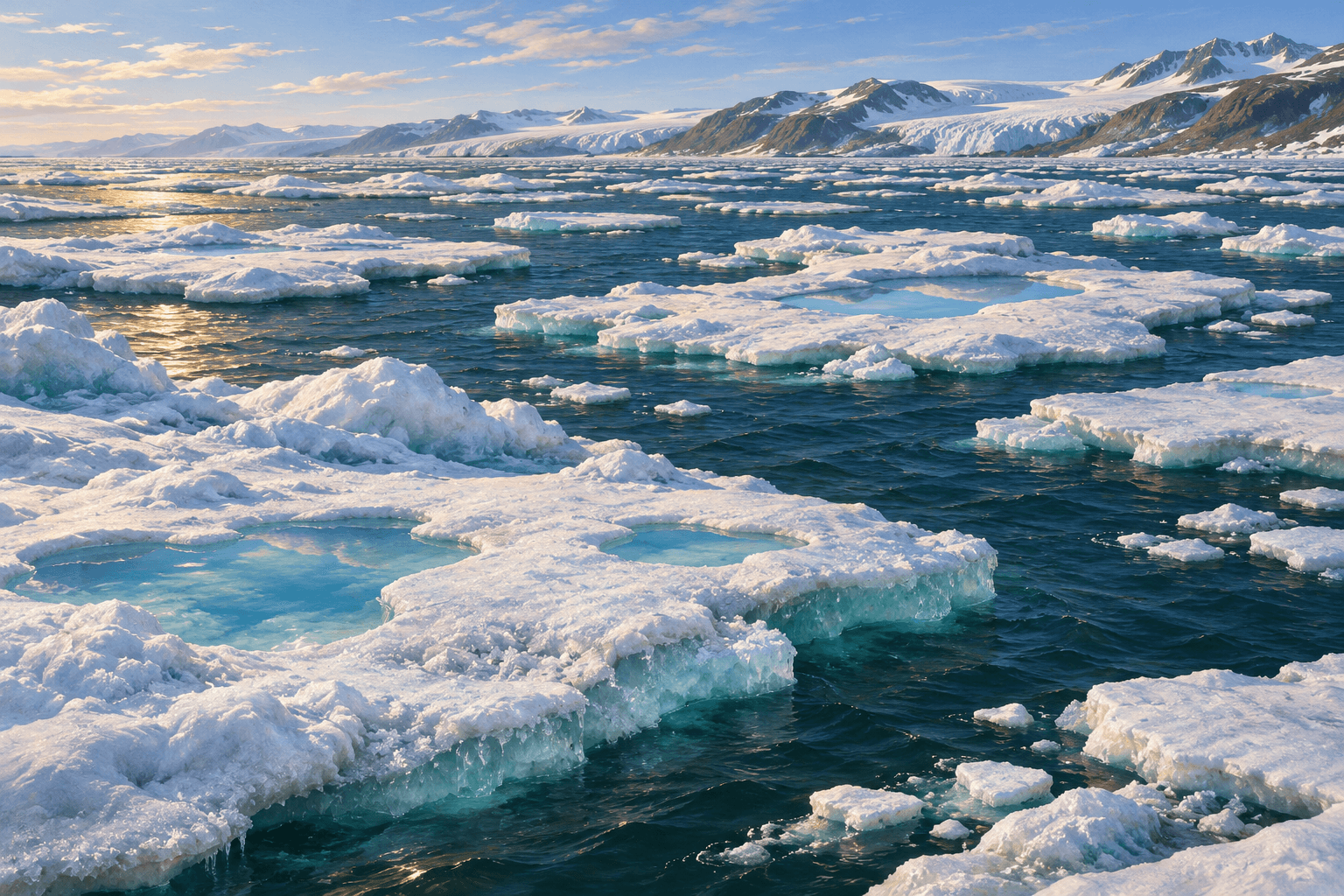
Climate · 41 connections
How is warming amplified or dampened?
From ice to permafrost: explore 41 feedback loops, step by step.
Explore all 41 loops →One topic connects to another
Start with a question. Follow the connections between causes, consequences and responses.
12 resources
Climate and feedback loops
A feedback happens when a change produces effects that influence that same change. Ice loss can amplify warming.

Biodiversity: a web of life we can protect
A forest is more than a collection of trees. Fungi, insects, birds and microorganisms participate in relationships that keep the place alive. Biodiversity loss means losing variety in life and some of those relationships, even before a species disappears.
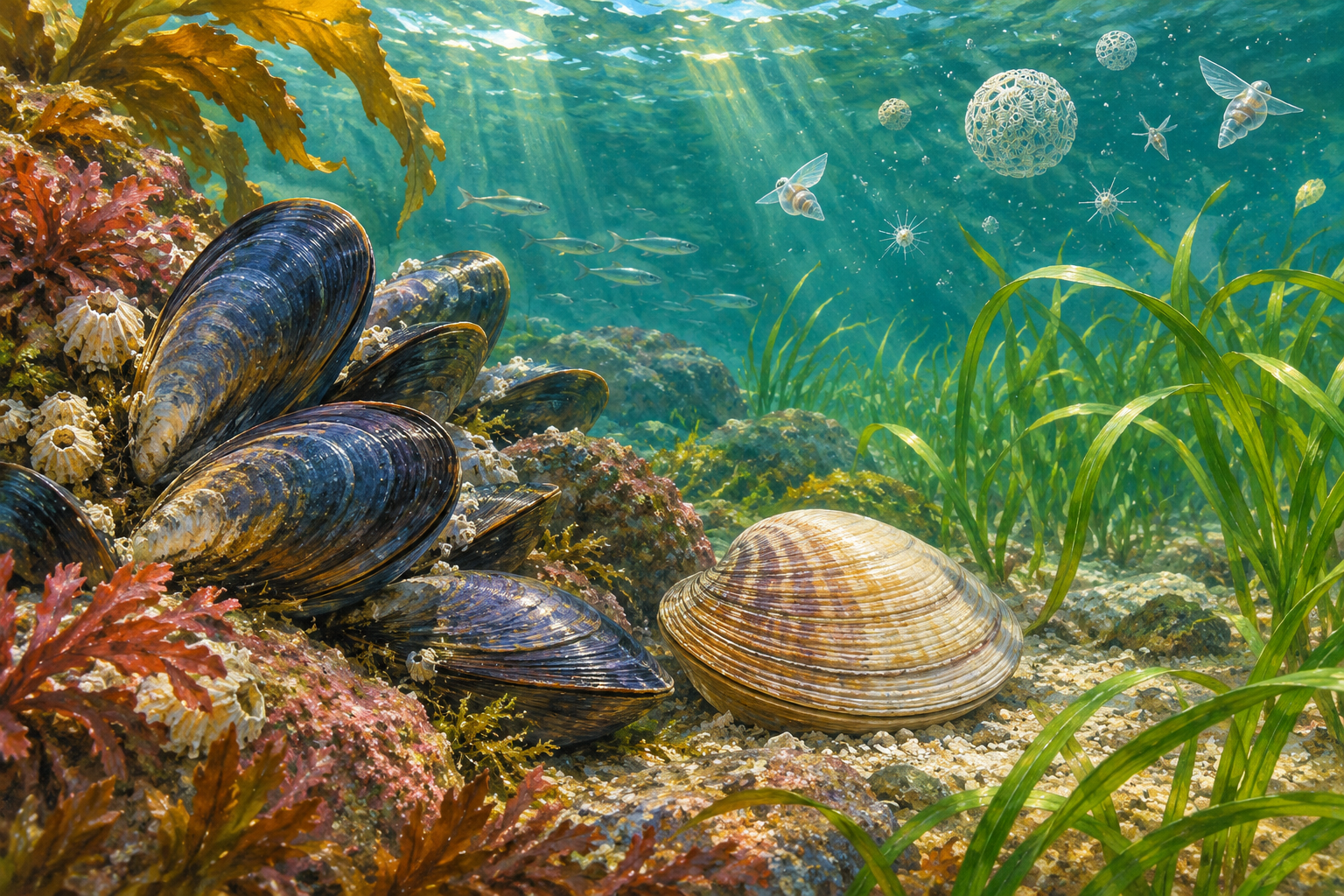
Ocean acidification: CO₂ also changes the water
The ocean absorbs some of the carbon dioxide we emit. This reduces the amount remaining in the air, but changes water chemistry. For some organisms, building a shell or skeleton becomes harder.
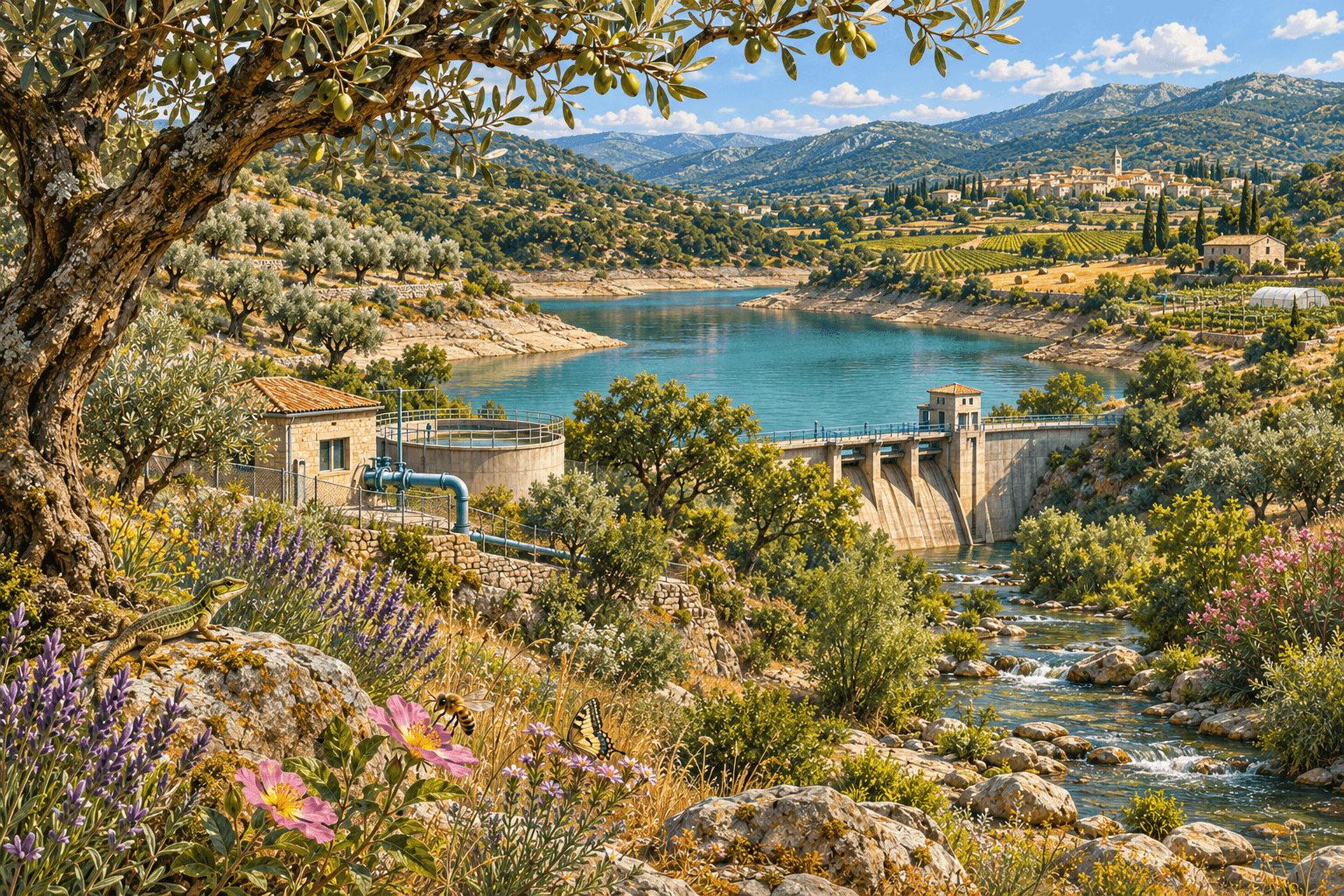
Water: availability, quality and access for everyone
A river can contain water while a home goes without it. Understanding scarcity means asking how much is available, when it arrives, its quality and who can use it. Rainfall, infrastructure and decisions about allocation are parts of the same story.

Air and health: we can change what we breathe
Air can look clean while containing pollutants. Some come directly from engines, heating or industry; others form in the atmosphere. Understanding their sources and our exposure helps improve everyday environments, indoors and outdoors.

Food waste: making use of what we already produce
A meal that ends in the bin carries some of the work, water, land and energy used to produce it. Food waste occurs in shops, restaurants and homes. Understanding where and why it happens helps prevent it, alongside improving the management of unavoidable scraps.

Energy poverty: a liveable home within everyone’s reach
An electricity connection does not guarantee an affordable, comfortable home or access to essential services. When costs, income and an inefficient home prevent those needs from being met, this is energy poverty. It can occur in winter and summer.

Urban heat: neighbourhoods that protect people better
On the same day, an unshaded street and a park can feel very different. How we build and inhabit a city changes how much heat we absorb, retain and can avoid. Preparing neighbourhoods for heat connects climate, health and fairness.

Recovering species: what works and why we must continue
Some species and populations recover when threats are reduced and protection is sustained. These outcomes show concrete possibilities, but coexist with much wider biodiversity loss. Explore what changed, where, when, and what remains at risk.

The ozone layer: recovery in progress
A global atmospheric problem prompted a shared response. Reducing ozone-destroying substances is allowing this natural protection to recover, although the process takes decades and continued monitoring.
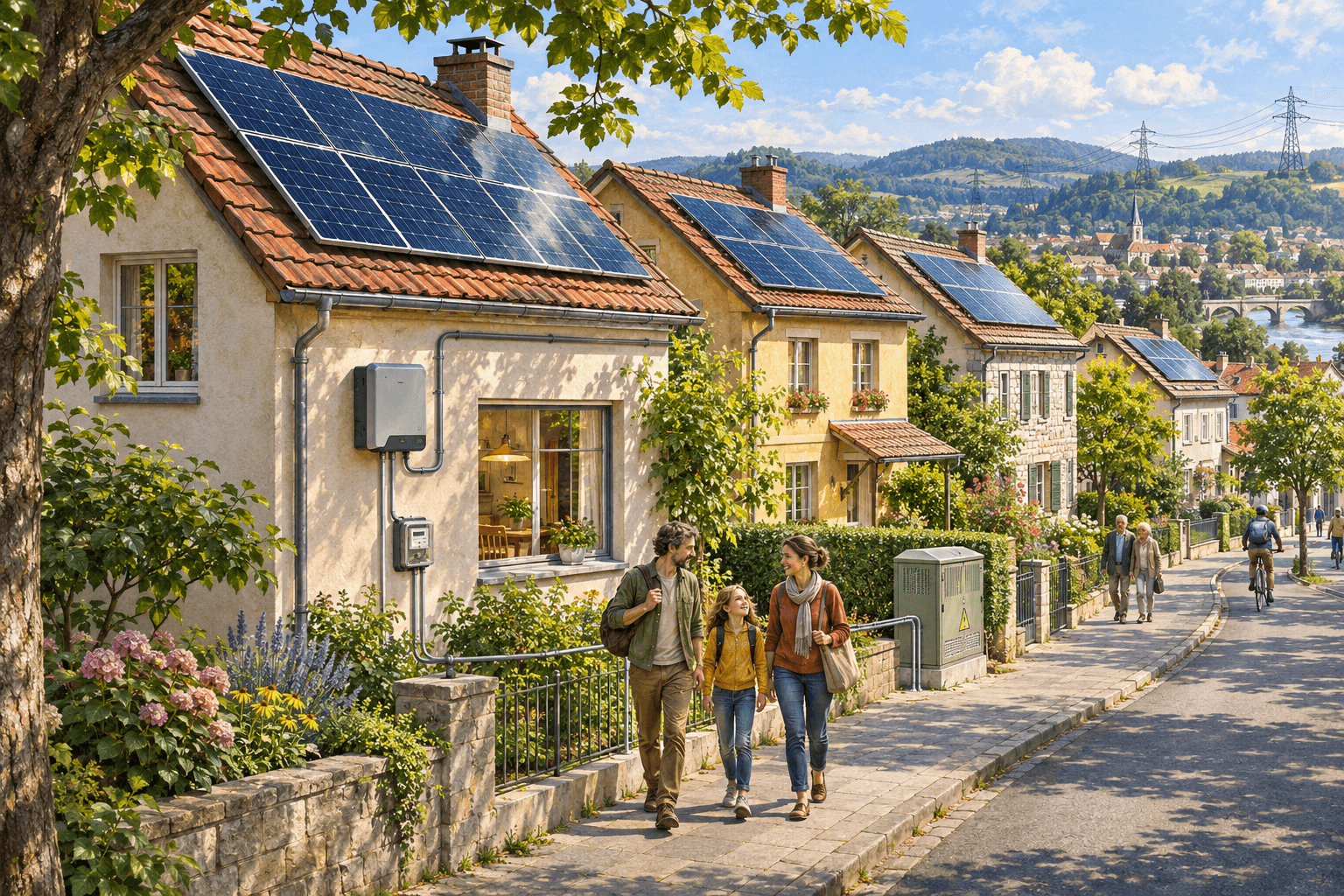
Solar energy: turning sunlight into a useful response
Solar panels already generate electricity on rooftops and in power plants across many countries. Their expansion opens possibilities to reduce fossil fuel use. The outcome also depends on grid connections, when electricity is used, and how equipment and materials are managed.
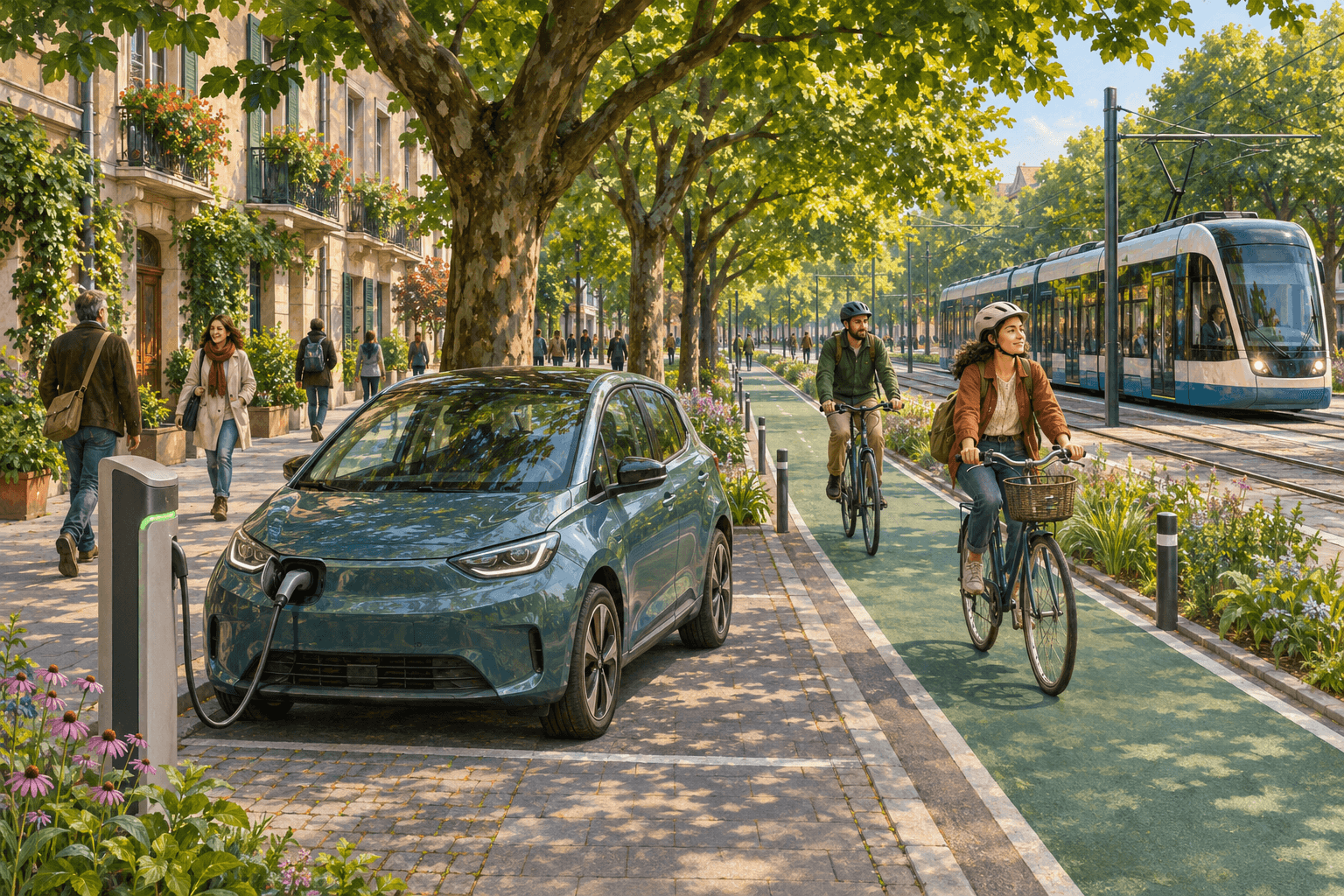
Electric mobility: looking beyond the exhaust
A battery electric car uses electricity to move and produces no exhaust emissions. Assessing its contribution also requires looking at manufacturing, charging electricity, distance travelled and the alternatives available for reaching a destination.
How we select content
Explanations connect environmental and social challenges with documented responses. Each resource distinguishes observed outcomes, possibilities and limitations, with links to explore the sources.