Evidence of progress
Recovering species: what works and why we must continue
Some species and populations recover when threats are reduced and protection is sustained. These outcomes show concrete possibilities, but coexist with much wider biodiversity loss. Explore what changed, where, when, and what remains at risk.
Visual explainer · 8 min read
Recovery requires reducing threats and sustaining effort; no individual success compensates for the loss of other species.
The context: more declines than recoveries
In its 2025 update, IUCN reported declining populations for 61% of bird species. Individual recoveries do not represent the overall trend or compensate for losses elsewhere.
IUCN · Bird decline and green turtle recovery ↓How it works
Step 1 / 4
Understand each species’ threats
Counting individuals is a beginning. We also need to understand food, breeding, habitat and causes of death. A useful plan addresses the pressures limiting that population; the same measure will not serve every species.
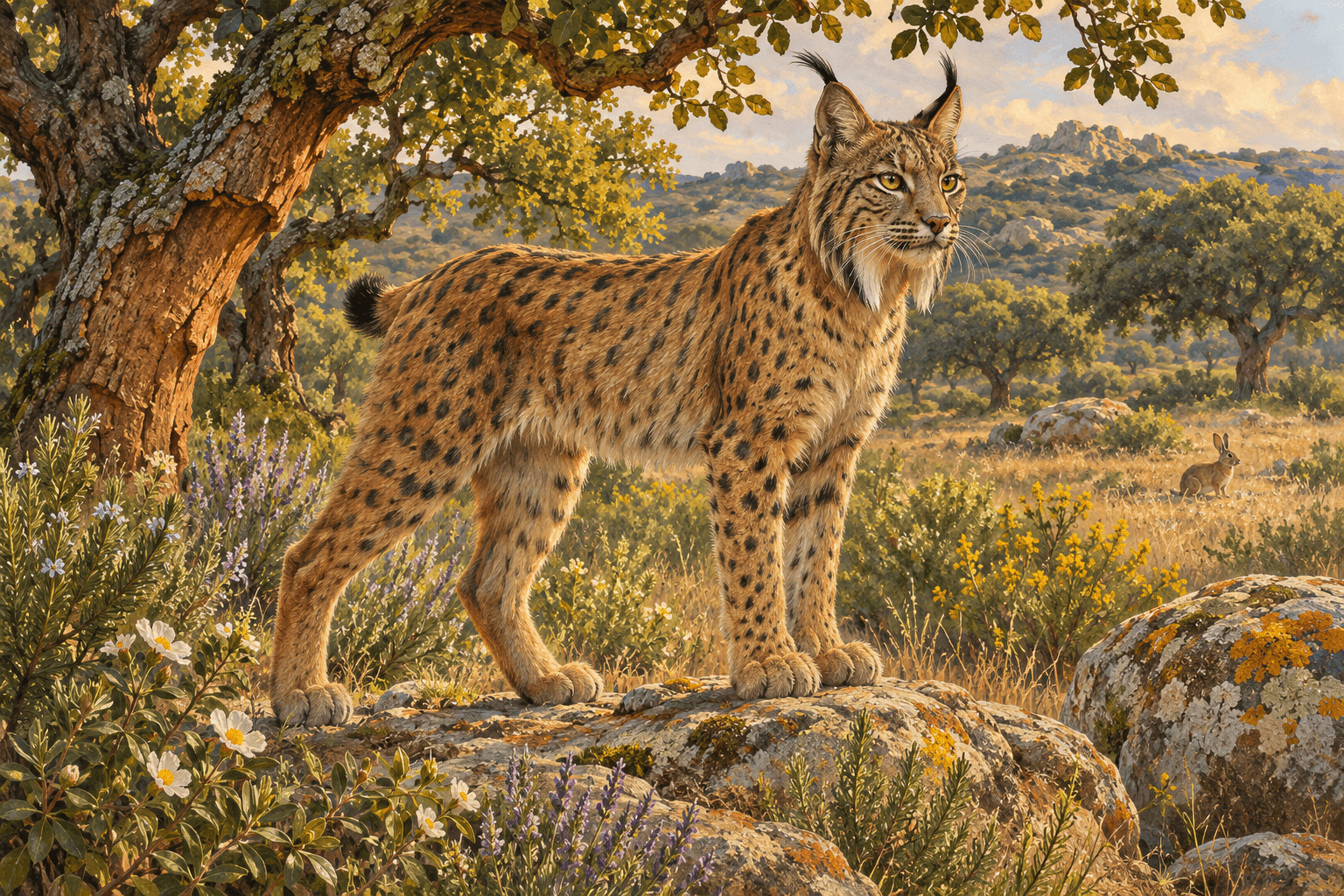
Context illustration, not to scale. Select a step to explore the process.
People are part of the story
Conserving species also affects people who share their landscapes and seas. Bycatch reduction, management agreements or damage prevention require resources, participation and continuity. Recognising local work and listening to people bearing costs helps sustain conservation.
What the evidence tells us
The wider trend remains concerning
A 2023 analysis of more than 71,000 animal species found declining trends in 48%, stable trends in 49% and increases in 3%. These are proportions of the species studied, spanning vertebrates and insects, not percentages of all life or an accounting of conservation successes.
Finn, Grattarola & Pincheira-Donoso · Population trends ↓Lower risk is not full recovery
Recovery should consider viable populations and ecological functions across the native range. A Red List improvement concerns extinction risk; alone, it does not demonstrate that a species has regained its abundance, territory or ecological role.
CBD · Target 4: species recovery, genetic diversity and coexistence ↓IUCN · Iberian lynx recovery ↓Recovery in context
Iberian lynxSpain and Portugal · 2024 assessment
What improved
IUCN moved it from Endangered to Vulnerable in 2024.
What helped
Rabbit recovery, habitat work, breeding, reintroduction and local cooperation.
What remains at risk
It remains threatened by road deaths, disease and prey availability. Vulnerable does not mean fully recovered.
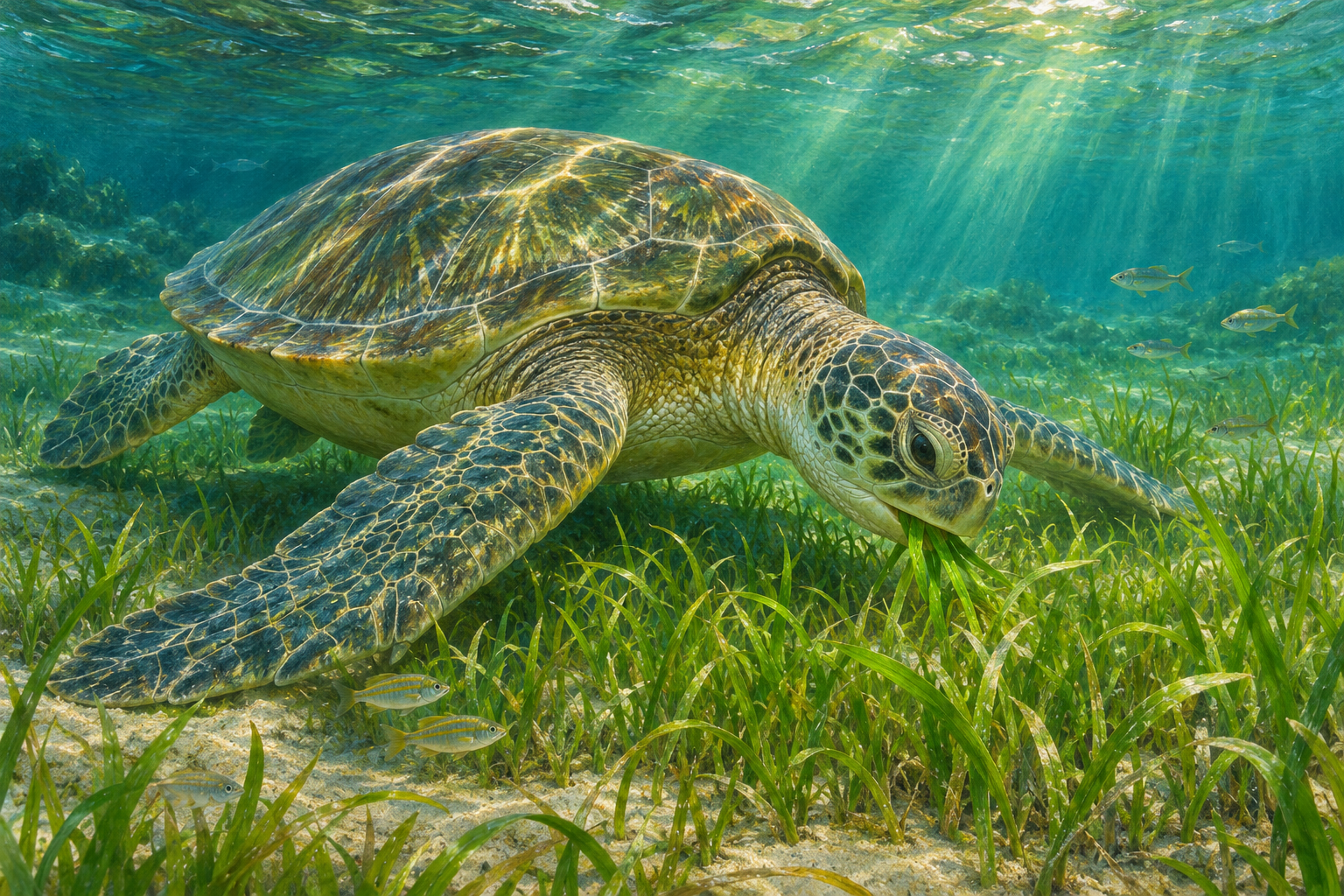
IUCN · Iberian lynx recovery ↓Green turtleGlobal assessment · 2025
What improved
It moved from Endangered to Least Concern in the 2025 global assessment.
What helped
Decades of protecting females and eggs and reducing exploitation and accidental capture.
What remains at risk
Some populations remain threatened; global improvement does not justify ending local protection.
IUCN · Bird decline and green turtle recovery ↓NOAA Fisheries · Green turtle conservation and threats ↓Atlantic bluefin tunaGlobal assessment and regional populations · 2021
What improved
The 2021 assessment improved from Endangered to Least Concern.
What helped
Enforced fishing quotas and action against illegal fishing contributed to improvement.
What remains at risk
IUCN warned of differences between eastern and western populations. Not every tuna species or stock has recovered.
IUCN · Tuna recovery and regional differences ↓TigerGlobal assessment with regional differences · 2022
What improved
IUCN described an apparently stable or increasing global trend; it remains Endangered.
What helped
Protection of prey and habitats, connected areas and community cooperation.
What remains at risk
The 40% higher 2022 estimate reflected better monitoring; it does not demonstrate 40% actual growth. Poaching and habitat loss persist.
IUCN · Tiger reassessment and monitoring ↓African savanna elephantKavango–Zambezi and other regional cases · 2021 assessment
What improved
IUCN highlighted stable or growing populations, especially in Kavango–Zambezi.
What helped
Anti-poaching measures, land-use planning and support for coexistence.
What remains at risk
This is regional improvement: the savanna species remains Endangered; the forest elephant is a different species, Critically Endangered.
IUCN · African elephant species and regional conservation ↓What can help
Prevent as well as rescue
Protecting habitats and reducing pressures before a species becomes threatened helps avoid permanent reliance on emergency interventions.
Sustain what works
Results need continued funding, enforcement and monitoring. Ending effort too soon can expose vulnerable populations to renewed pressures.
Compare carefully
Always ask which species, population, period and indicator are involved. More sightings or better surveys do not automatically mean more animals.
What to keep in mind
The cases have different scales and dates: they are neither a ranking nor a representative sample. One population’s improvement cannot be generalised to a whole species or ecosystem, or used to justify harm to other species.
Sources and further reading
- IUCN · Bird decline and green turtle recovery ↗2025-10-10
- NOAA Fisheries · Green turtle conservation and threats ↗
- Finn, Grattarola & Pincheira-Donoso · Population trends ↗2023-05-15
- CBD · Target 4: species recovery, genetic diversity and coexistence ↗2022
- IUCN · Iberian lynx recovery ↗2024-06-20
- IUCN · Tuna recovery and regional differences ↗2021-09-04
- IUCN · Tiger reassessment and monitoring ↗2022-07-21
- IUCN · African elephant species and regional conservation ↗2021-03-25
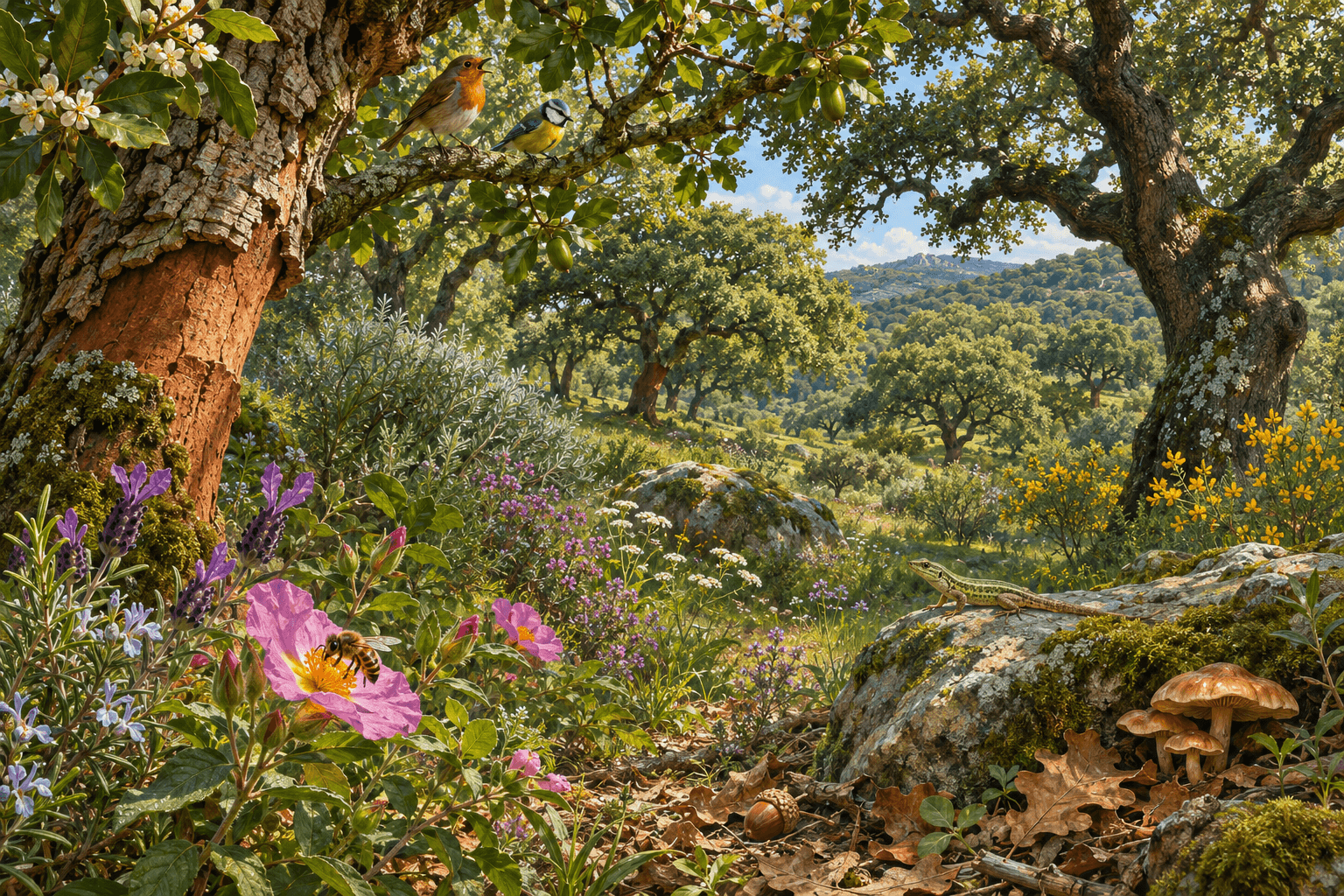
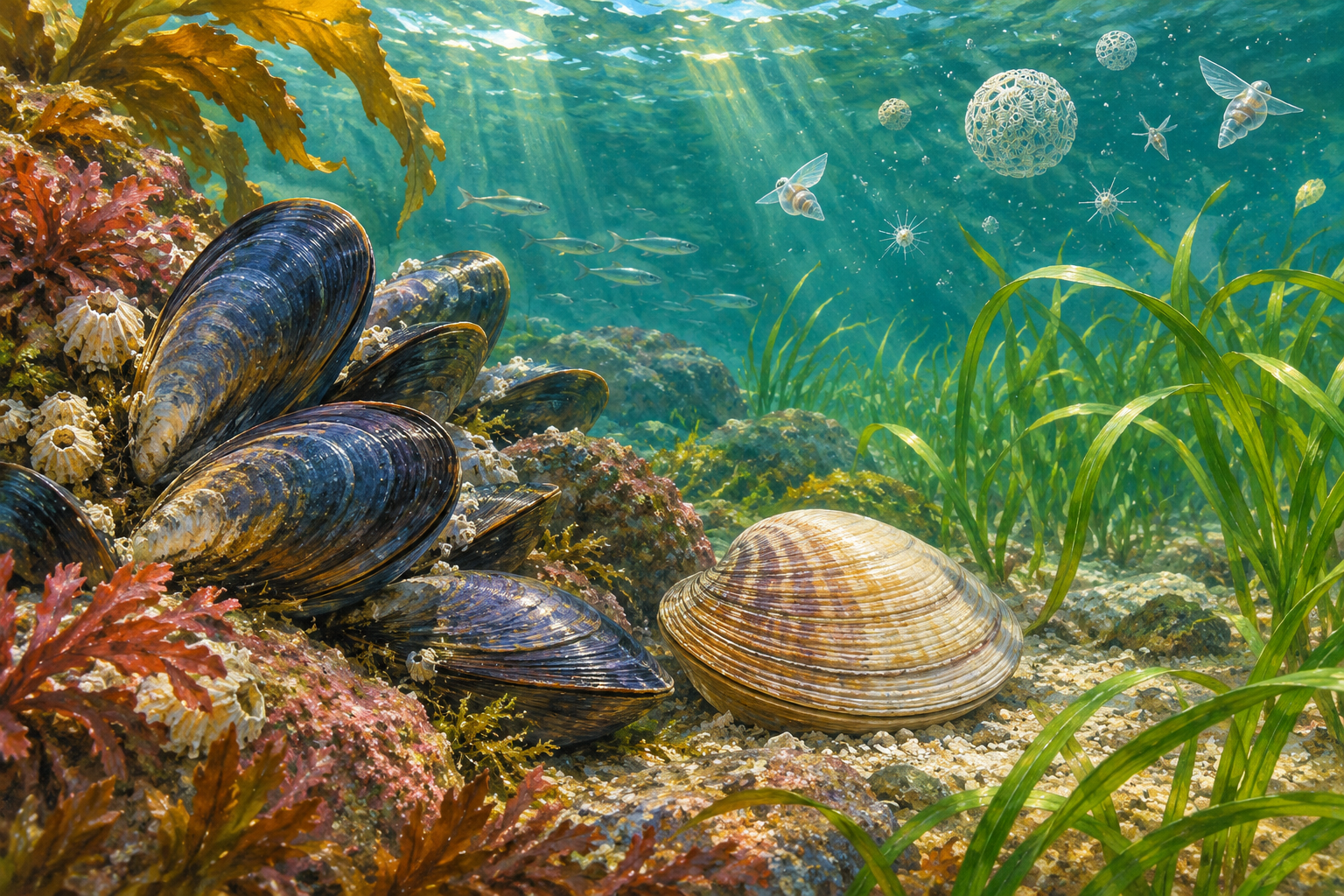
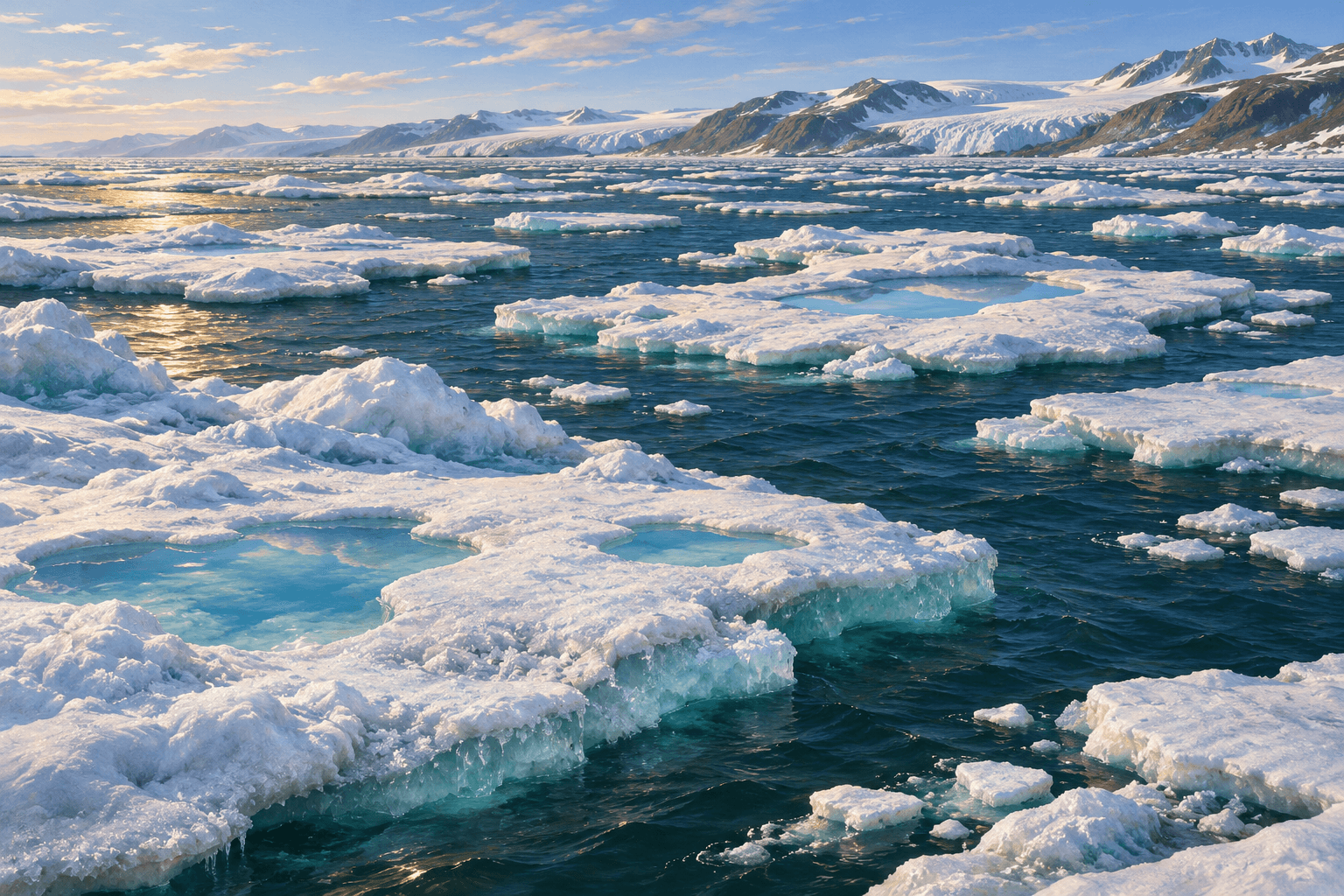
EkoPulse explanation based on the cited sources. Original AI-generated illustrations for EkoPulse; they are not photographs or research figures, and do not imply endorsement by the cited institutions.
Editorial review: