Understand a challenge
Energy poverty: a liveable home within everyone’s reach
An electricity connection does not guarantee an affordable, comfortable home or access to essential services. When costs, income and an inefficient home prevent those needs from being met, this is energy poverty. It can occur in winter and summer.
Visual explainer · 5 min read
The response combines better homes, affordable energy and accessible support; it does not depend only on changing habits.
How it works

Step 1 / 4
An essential need
Heating or cooling a home, hot water, lighting and essential appliances support everyday life. Needs vary with climate, the building and the circumstances of its occupants.
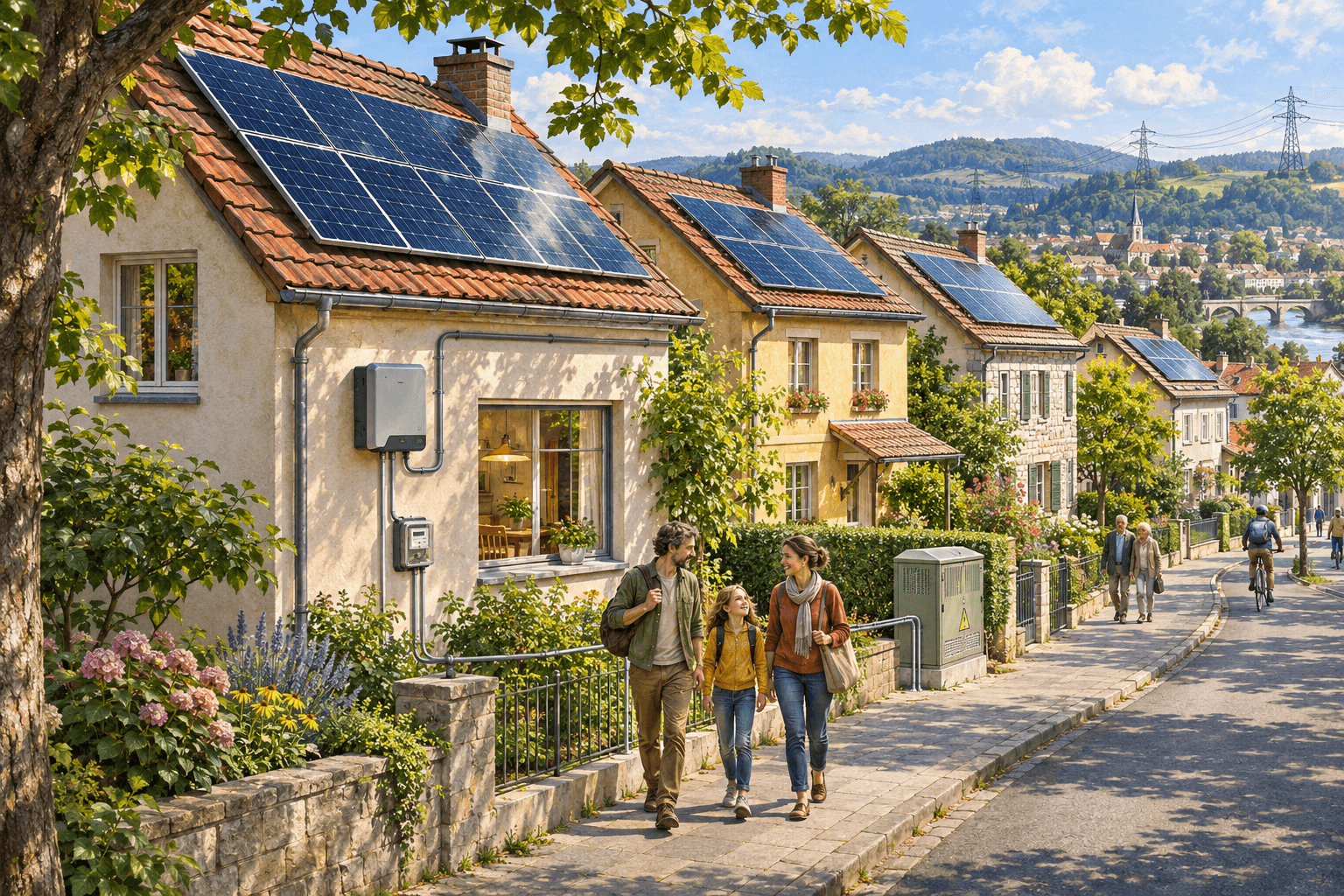
Context illustration, not to scale. Select a step to explore the process.
People are part of the story
Low-income households have less room to absorb price rises or pay for renovation. Health needs, age and housing tenure also matter. Listening to affected people helps reveal barriers that a digital application can overlook.
What the evidence tells us
A problem with several dimensions
The European Commission links energy poverty to inadequate income, high costs and poor home efficiency. This explanation focuses on European households; complete lack of energy access also requires specific responses.
European Commission · Energy poverty ↓One number is not enough
The European EPAH dashboard brings together indicators such as bill arrears, difficulty keeping a home warm and energy spending. Each reveals part of the problem; comparisons require attention to year, country and definition.
Energy Poverty Advisory Hub · Indicators and interpretation ↓What can help
Immediate relief and practical support
Targeted assistance and accessible advice can relieve urgent difficulties. Practical support matters when paperwork, lack of information or upfront costs prevent people from receiving help.
Improve the home
Insulation, shading, suitable ventilation and efficient equipment should fit the building and climate. Renovation needs accessible finance and safeguards so that tenants also receive its benefits.
Check who benefits
Evaluating comfort, affordability and access alongside consumption helps distinguish genuine improvement from forced cutbacks. Involving social, housing and energy services helps coordinate responses.
What to keep in mind
Renovation may improve comfort without reducing bills as much if the household previously used less energy than needed. Rent increases or displacement can also divert benefits away from vulnerable residents. Specific support and eligibility depend on location.
Sources and further reading
- European Commission · Energy poverty ↗
- Energy Poverty Advisory Hub · Indicators and interpretation ↗
- WHO · Housing and health guidelines ↗2018-11-23
- European Commission · Recommendation (EU) 2023/2407 on energy poverty ↗2023-10-20
- European Commission · Structural measures and targeted support ↗2023-10-23
- EPAH · A guide to understanding and addressing energy poverty ↗
EkoPulse explanation based on the cited sources. Original AI-generated illustrations for EkoPulse; they are not photographs or research figures, and do not imply endorsement by the cited institutions.
Editorial review: