Evidence of progress
Solar energy: turning sunlight into a useful response
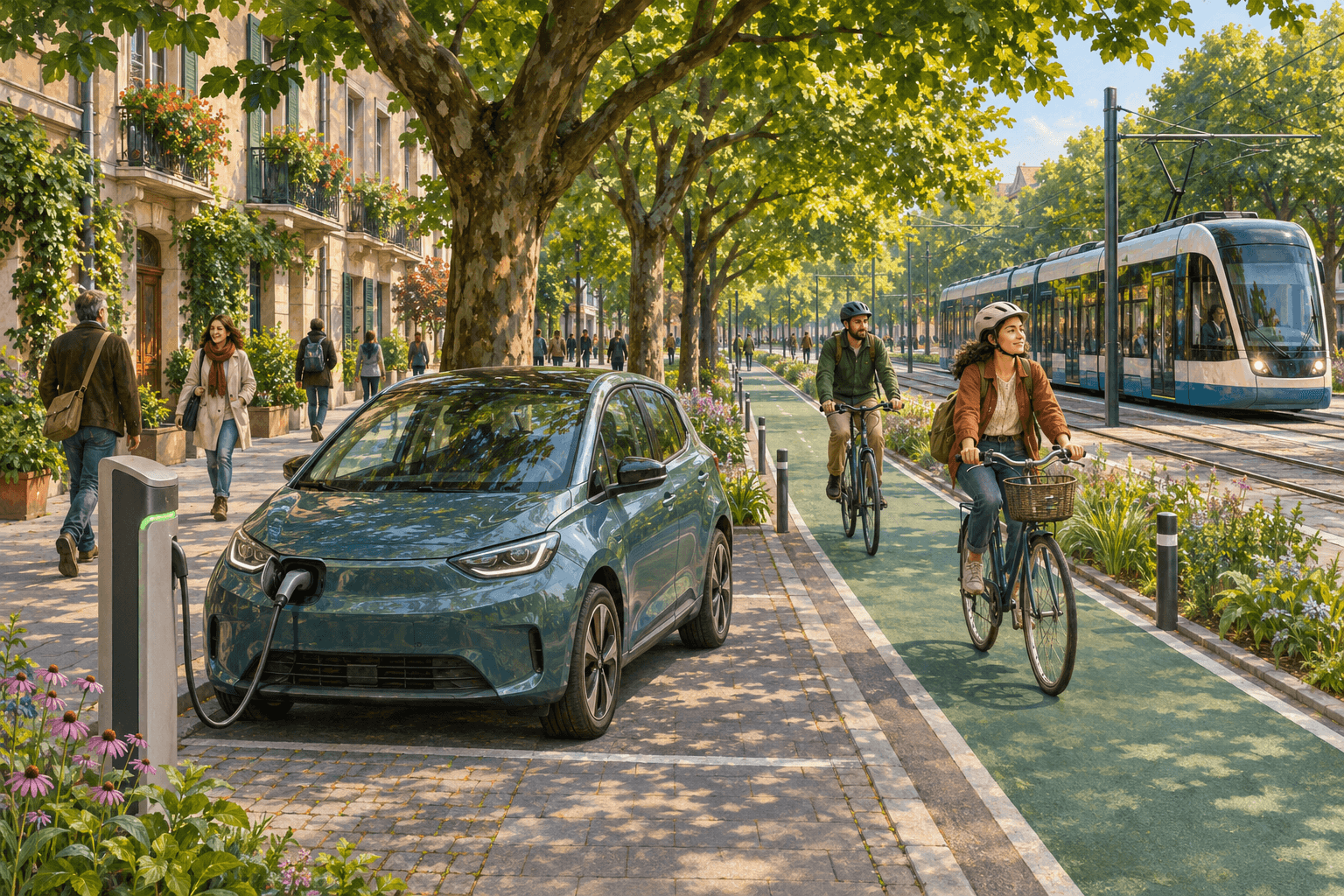
Solar panels already generate electricity on rooftops and in power plants across many countries. Their expansion opens possibilities to reduce fossil fuel use. The outcome also depends on grid connections, when electricity is used, and how equipment and materials are managed.
Visual explainer · 5 min read
Installing panels is a beginning: using their electricity and managing their lifecycle turns capacity into benefits.
How it works
Step 1 / 4
Capture sunlight
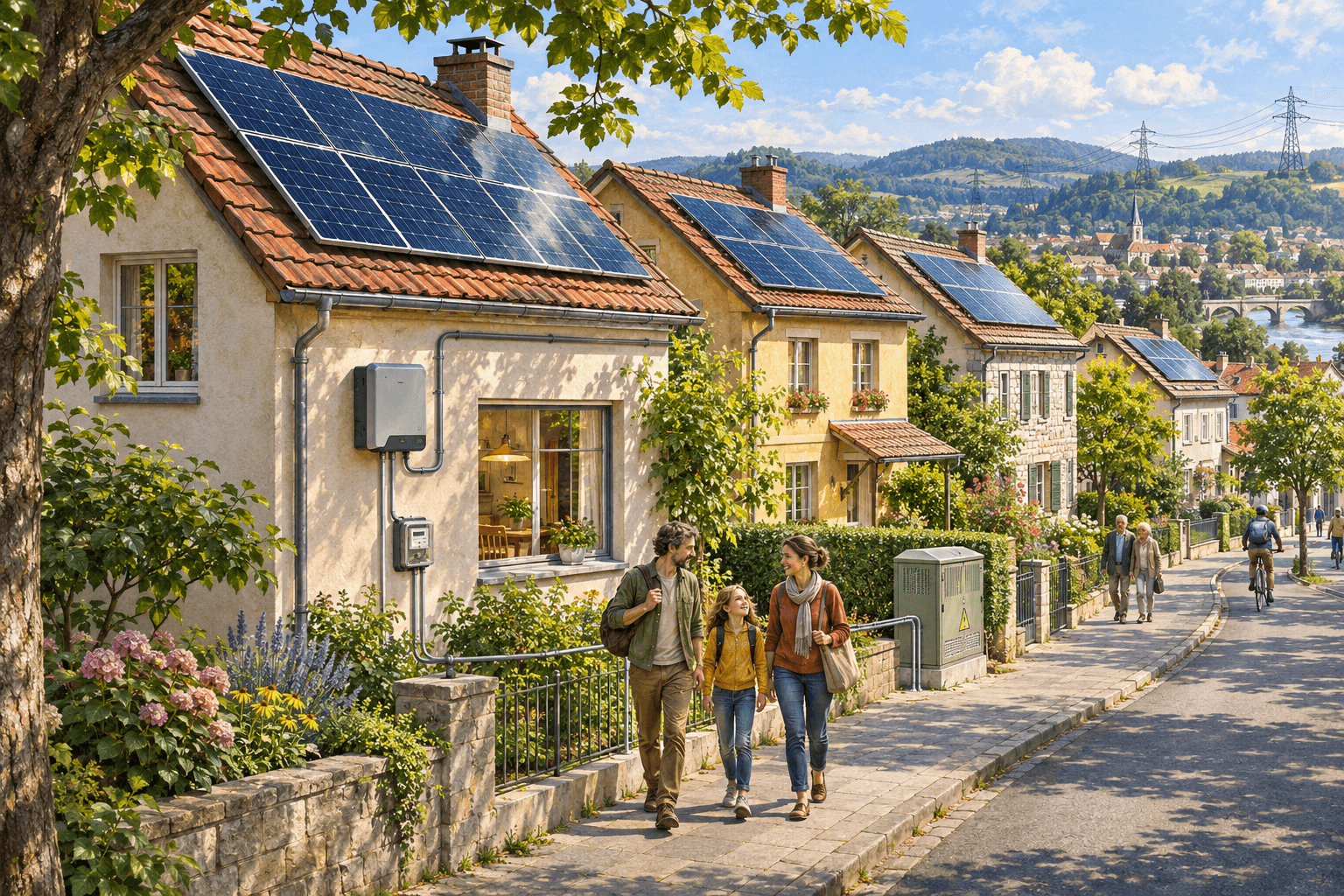
Photovoltaic cells absorb light and generate electric current. They do not burn fuel during operation. Output changes with available sunlight, orientation, shading and temperature; knowing roof area alone does not tell us how much electricity a system will deliver.
Context illustration, not to scale. Select a step to explore the process.
People are part of the story
Roof ownership, access to finance and rental conditions influence who can participate. Collective projects can broaden options, but should explain costs, benefit sharing and decisions. Deployment also needs safe working conditions and agreement with the communities and landscapes involved.
What the evidence tells us
More solar electricity, measured
The IEA recorded a roughly 600 TWh increase in global solar PV generation in 2025. This measures electricity produced over a year, distinct from installed capacity. Its 2026 report identifies growth across regions, with substantial differences between them.
IEA · Global Energy Review 2026: electricity supply ↓Integration shapes the outcome
The IEA highlights networks and flexibility as conditions for integrating more variable generation. Counting panels therefore cannot directly establish avoided emissions: what generation they replace, and whether electricity can reach users when needed, also matter.
IEA · Electricity Mid-Year Update 2026 ↓What can help
Choose sites carefully
Comparing roofs, car parks and other already-used surfaces can reduce land conflicts. Decisions should consider output, connections, biodiversity and local needs.
Coordinate power and use
Flexible uses, stronger networks and storage sized for actual needs help make use of production. Every building does not need the same solution.
Measure and maintain
Tracking actual generation and maintaining equipment helps detect failures. Planning repair and end-of-life management from purchase helps sustain benefits.
What to keep in mind
Solar has manufacturing, land-use and waste-management impacts. Its climate contribution depends on the system it replaces. Growth forecasts are not achieved outcomes, and an ordinary grid-connected installation does not guarantee power during an outage.
Sources and further reading
- IEA · Global Energy Review 2026: electricity supply ↗2026
- IEA · Electricity Mid-Year Update 2026 ↗2026
- US DOE · How Does Solar Energy Work? ↗
- US DOE · Inverters and Grid Services Basics ↗
- US DOE · End-of-Life Management for Solar Photovoltaics ↗
EkoPulse explanation based on the cited sources. Original AI-generated illustrations for EkoPulse; they are not photographs or research figures, and do not imply endorsement by the cited institutions.
Editorial review: