Classroom projects with environmental outcomes
Baseline strategy · No scoreBuild a school or neighbourhood environmental issue into teaching, using a researchable question, student participation and a comparison of results.
Subject: Welfare, society and cultureContext: Educational centres · CommunitiesCost: lowEffort: mediumLevel: recommendedStage: operationMaturity: established
How it works
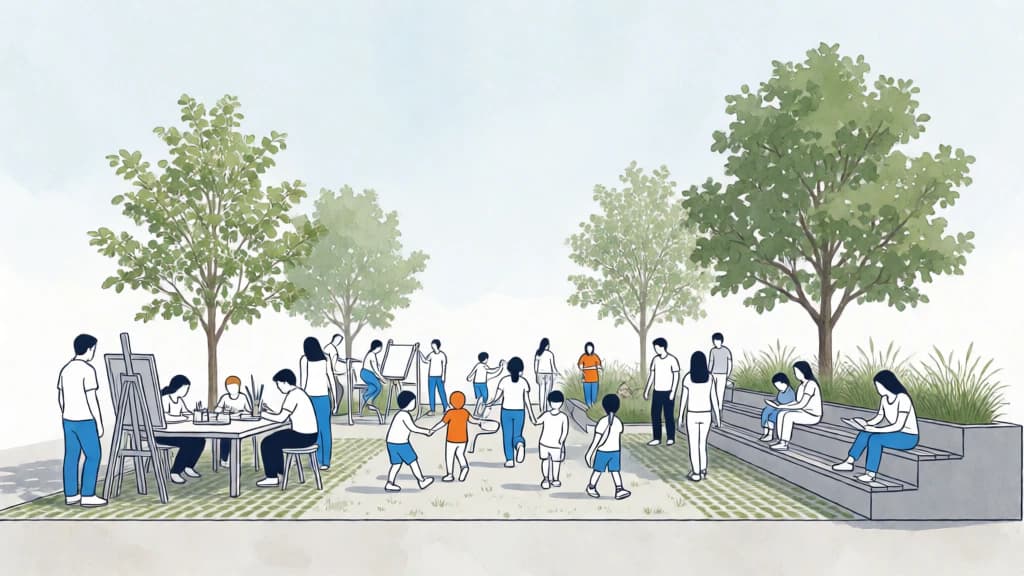
Build a school or neighbourhood environmental issue into teaching, using a researchable question, student participation and a comparison of results.
When does it make sense?
- Teachers and learners able to develop a project suited to their age and curriculum.
How to apply it
- 1
Choose a local issue and a testable question together with learners.
- 2
Record a baseline and agree an inclusive action with the school’s permission.
- 3
Compare observations and share learning, limitations and next steps with the community.
Potential benefits
Practical learning and participation in local improvements.
Limitations and precautions
- Compare equivalent periods and activities; an estimated reduction is not a measured result.
- Protect personal data and avoid placing inappropriate costs or responsibilities on learners.
- Adapt activities to age, accessibility and safety; do not assign hazardous-waste handling.
Keep Exploring
Related strategies