Emissions inventory using accounting records
Baseline strategy · No scoreLink energy, fuel and purchasing records to activity data to prepare a traceable emissions inventory with documented boundaries and factors.
Subject: Measurement and managementContext: Offices · CompaniesCost: lowEffort: mediumLevel: recommendedStage: operationMaturity: established
How it works
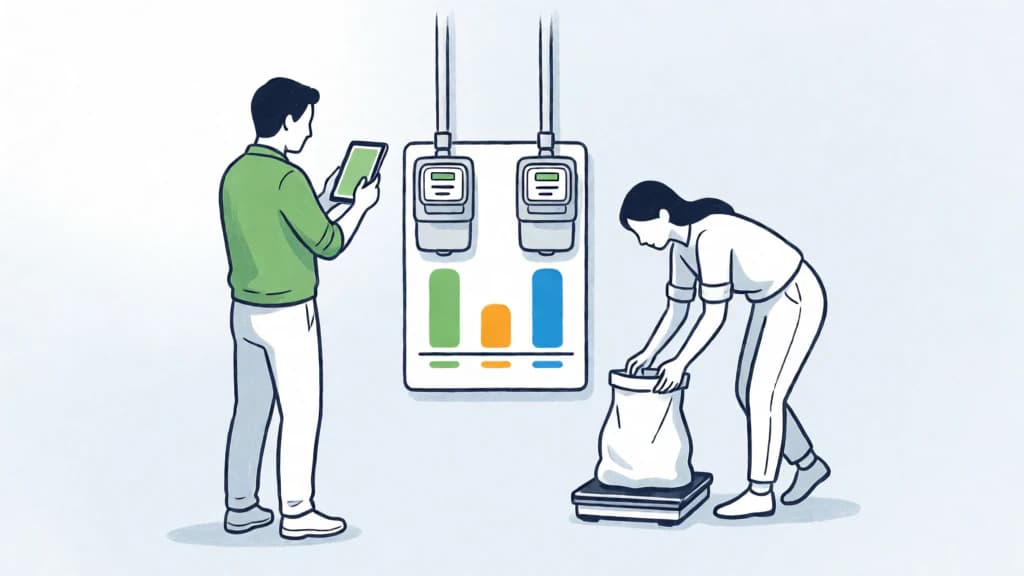
Link energy, fuel and purchasing records to activity data to prepare a traceable emissions inventory with documented boundaries and factors.
When does it make sense?
- Accounting or finance teams with authorized access to invoices and activity records.
How to apply it
- 1
Define the entity, reporting period and emission sources before collecting invoices.
- 2
Prefer physical quantities and record the source, year, unit and scope of each emission factor.
- 3
Reconcile records, document missing data and review results with the responsible person.
Potential benefits
Environmental data that can be reconciled with accounts.
Limitations and precautions
- Compare equivalent periods and activities; an estimated reduction is not a measured result.
- Spending alone does not establish a physical quantity of emissions.
- An inventory is neither an emissions reduction nor independent verification.
Keep Exploring
Related strategies