
Soils and ecosystems · Biological process
Wildfire
What does it mean?
Vegetation fires whose frequency, extent or intensity can change with climate.
In some regions, warmer and drier conditions favour fires and carbon losses.
How the loop works
- 1
Fire-conducive conditions increase
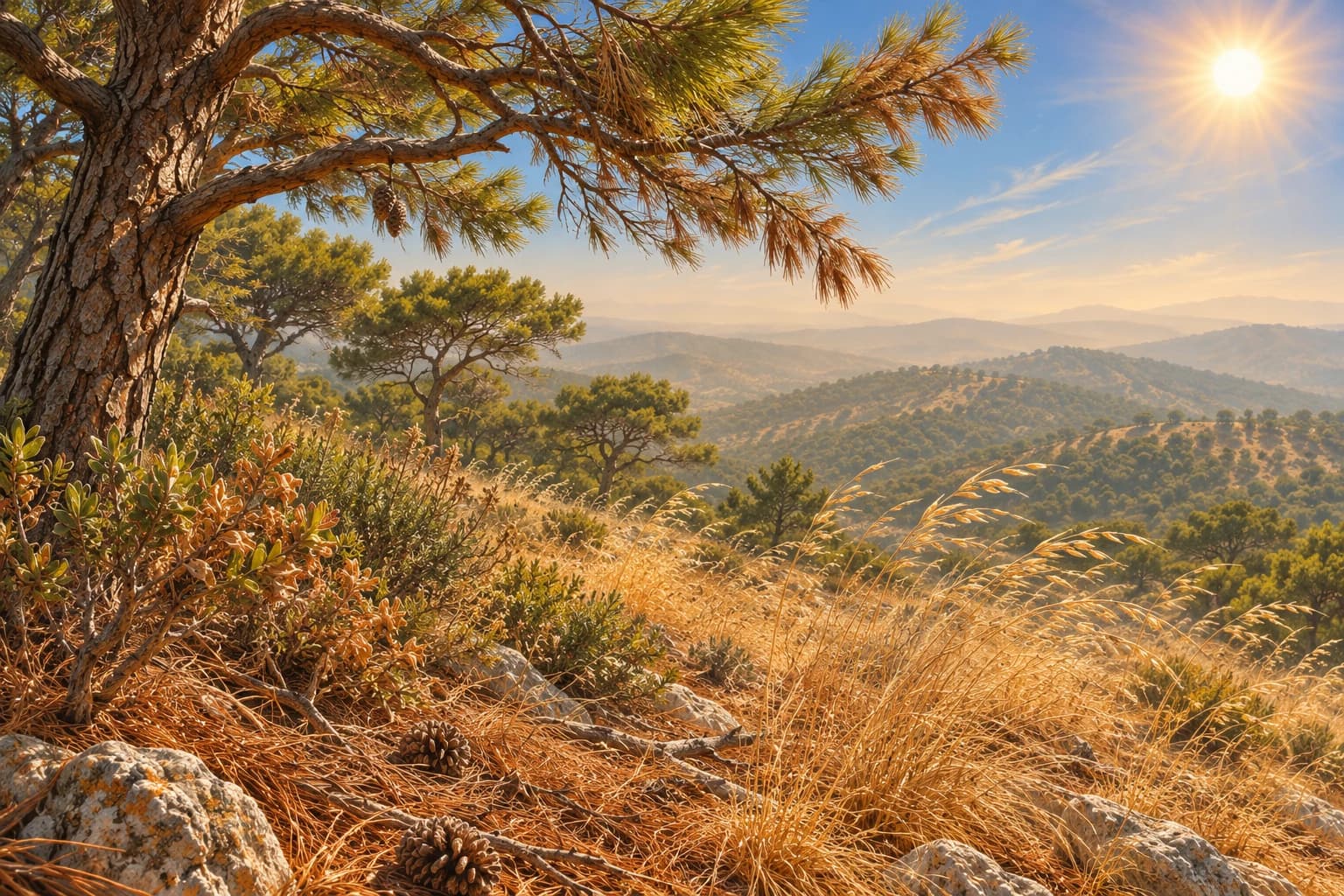
- 2
More vegetation burns in vulnerable areas
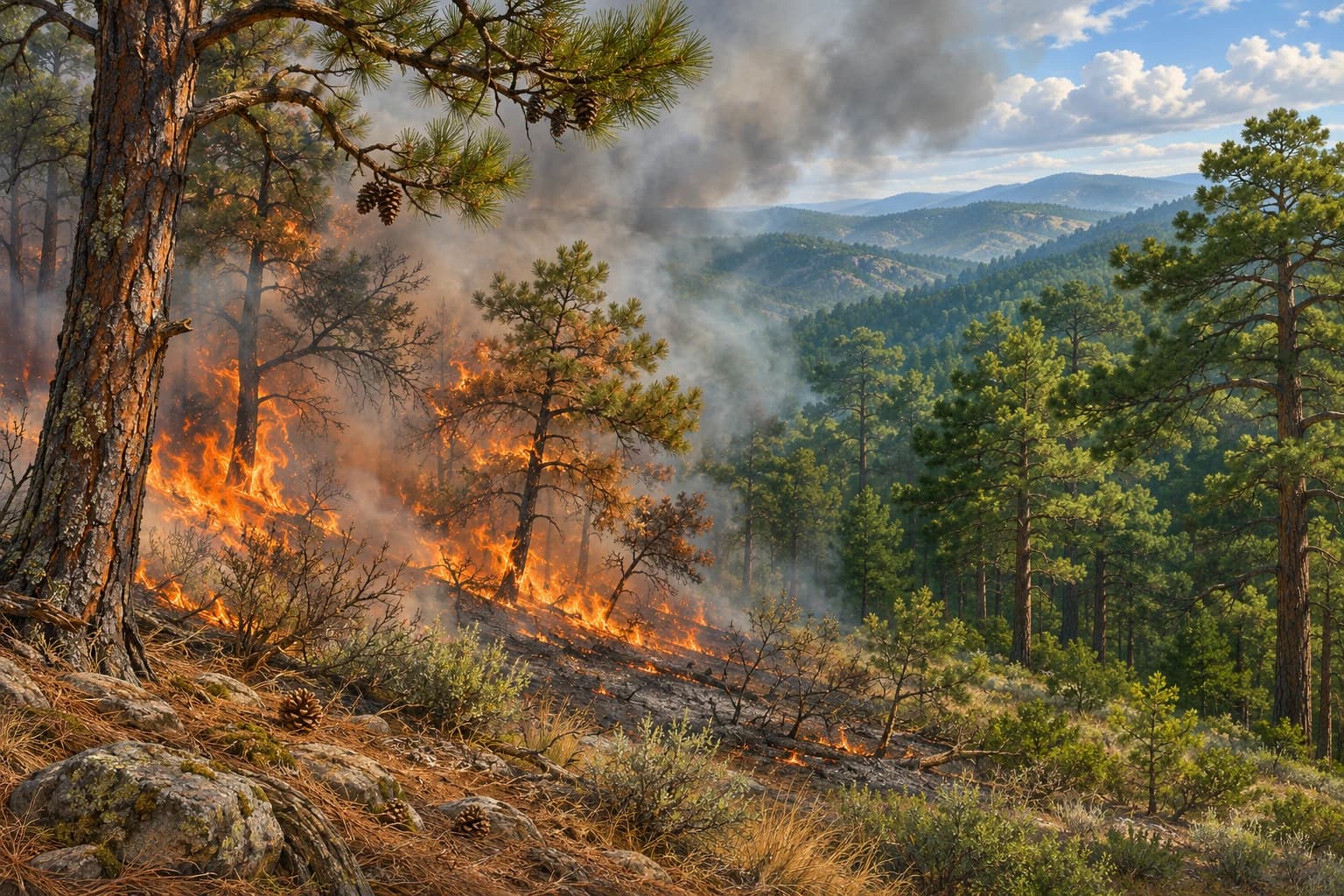
- 3
CO₂ is emitted and sinks weaken
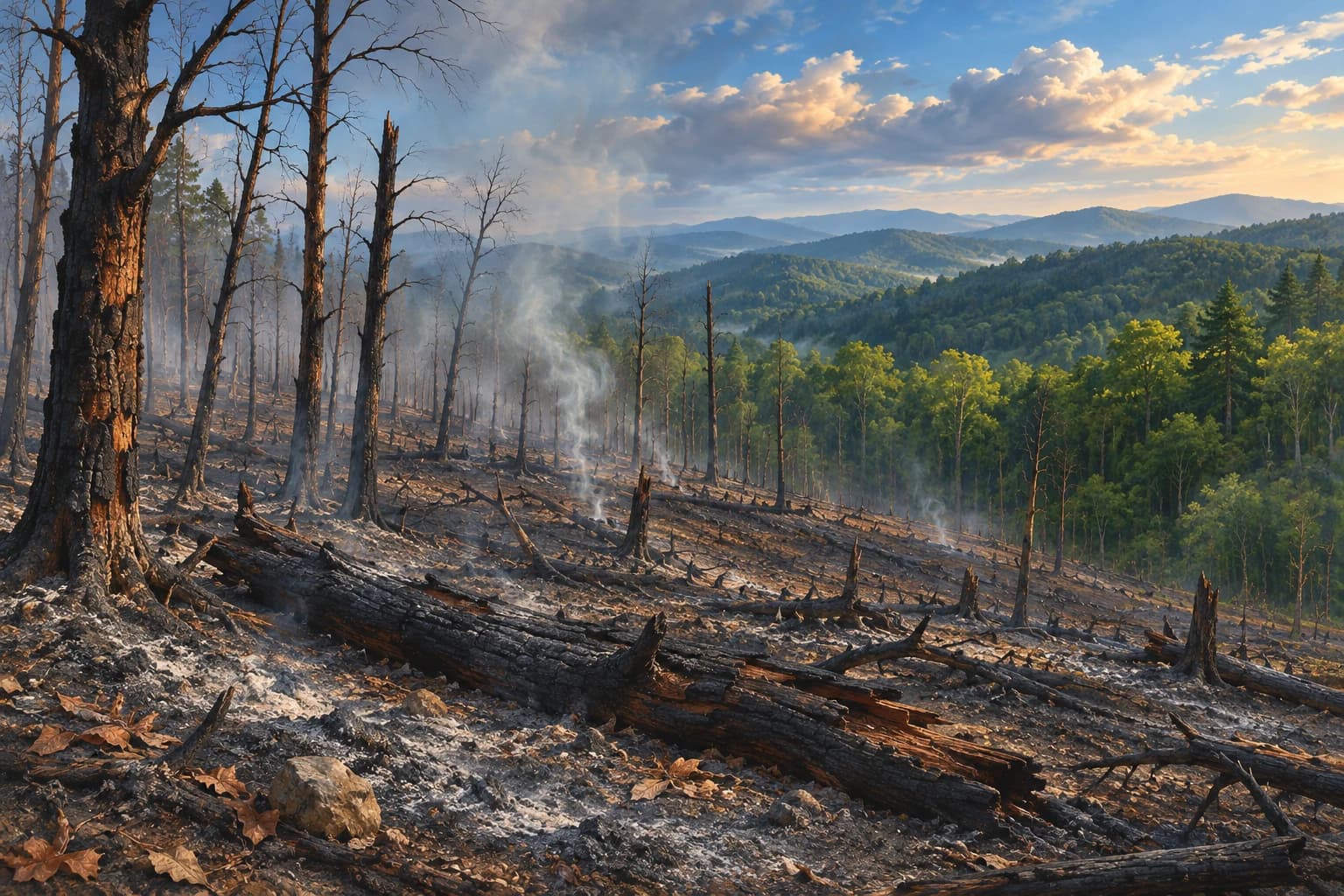
- 4
Warming is reinforced
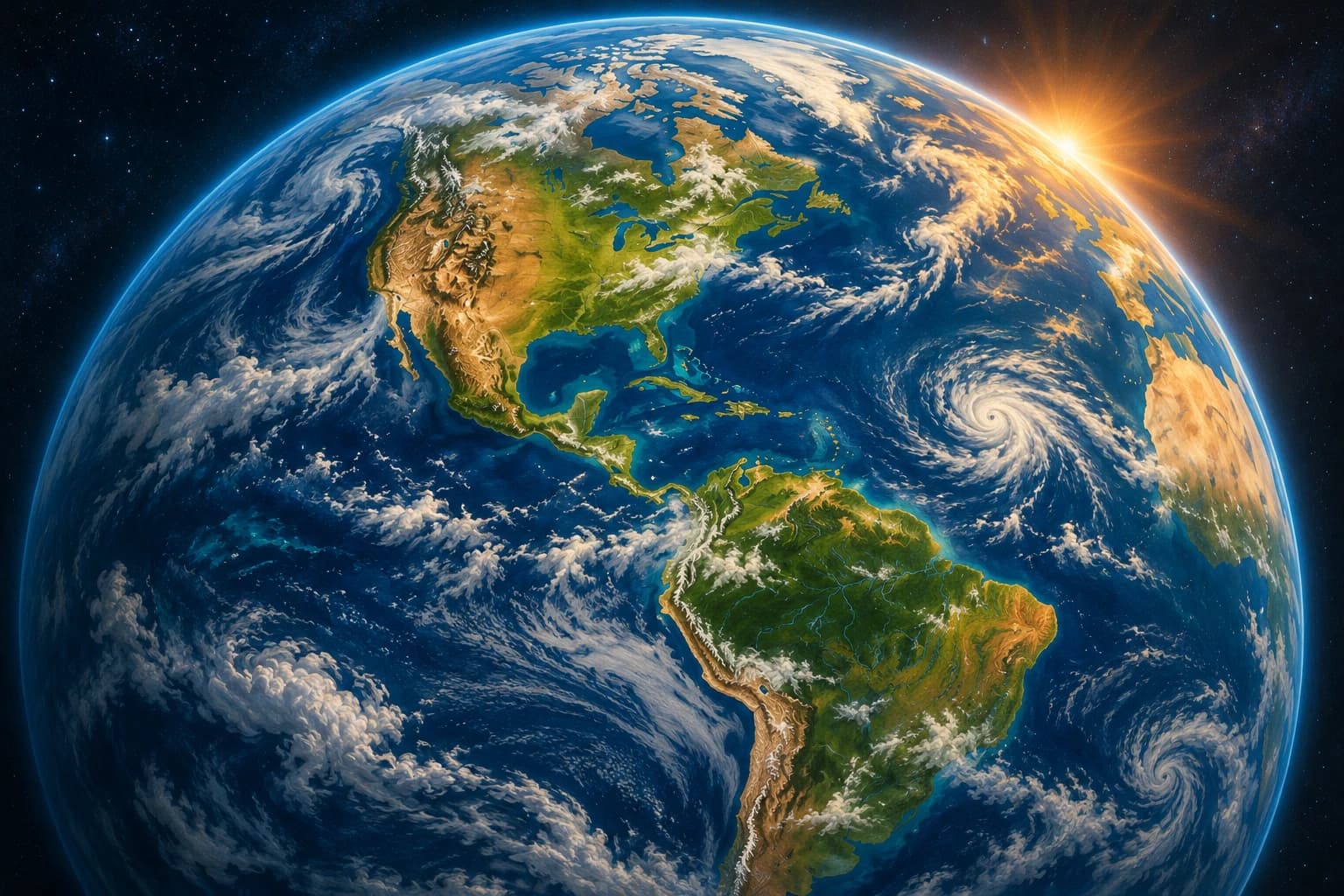
↻ + The effect reinforces the initial change.
What we know
Combustion releases carbon and vegetation loss can reduce later uptake.
What remains uncertain
Fuel, ignitions, management, regrowth and changes in reflectivity modify the balance.
Timescale
Emissions over days; carbon recovery over years or decades.
Sources and credits
Based on Ripple et al. (2023), One Earth. Study loop: 27.
- Moritz, M. A. et al. (2012). Climate change and disruptions to global fire activity. Ecosphere 3, 1–22.
Educational adaptation and AI-assisted illustrations: EkoPulse.