
Ocean stratification
What does it mean?
Stronger separation between ocean layers makes vertical mixing harder.
Warmer surface water is generally less dense. Reduced mixing with deeper water can weaken carbon transport into the ocean interior.
How the loop works
- 1
Earth warms
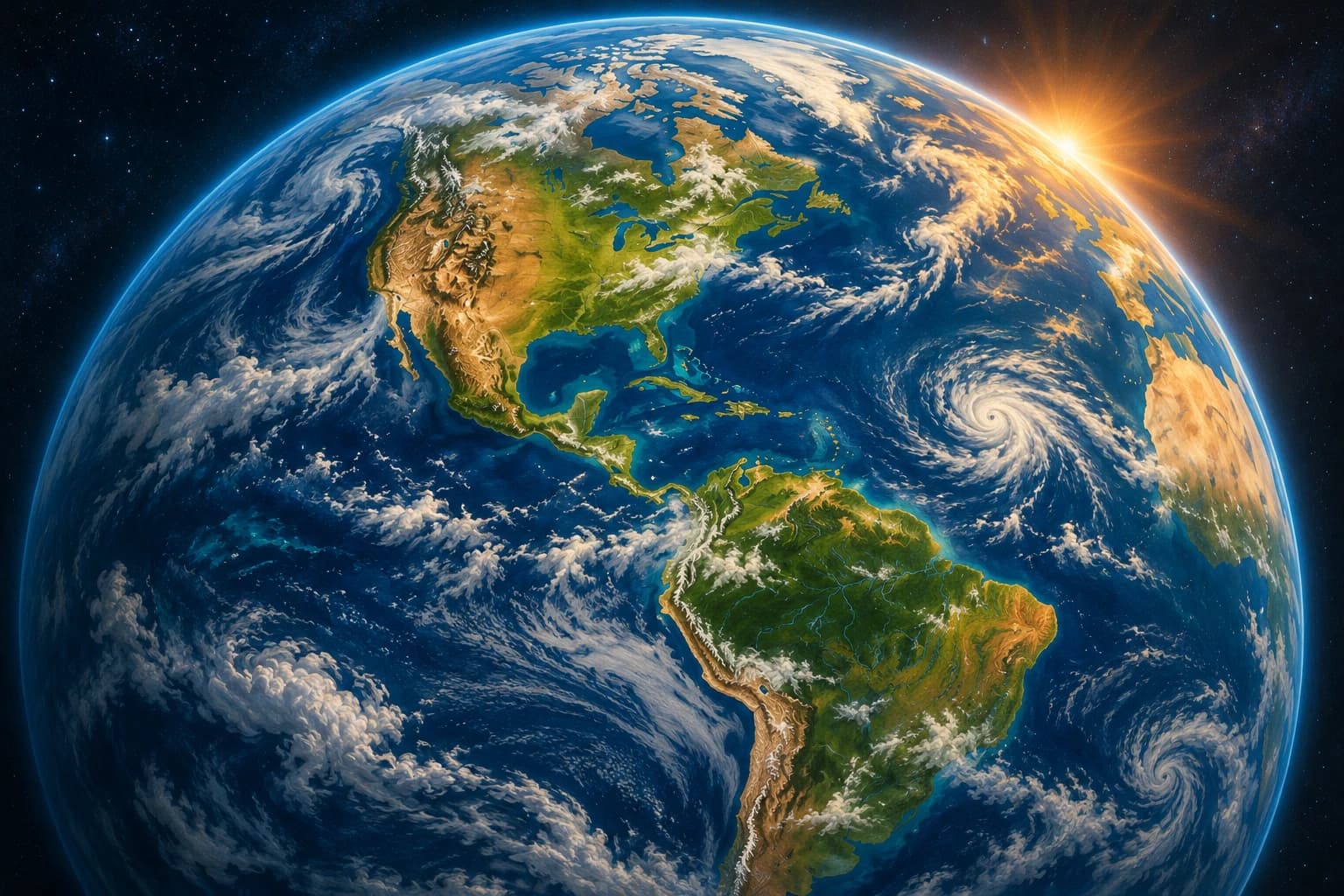
- 2
Separation between layers strengthens
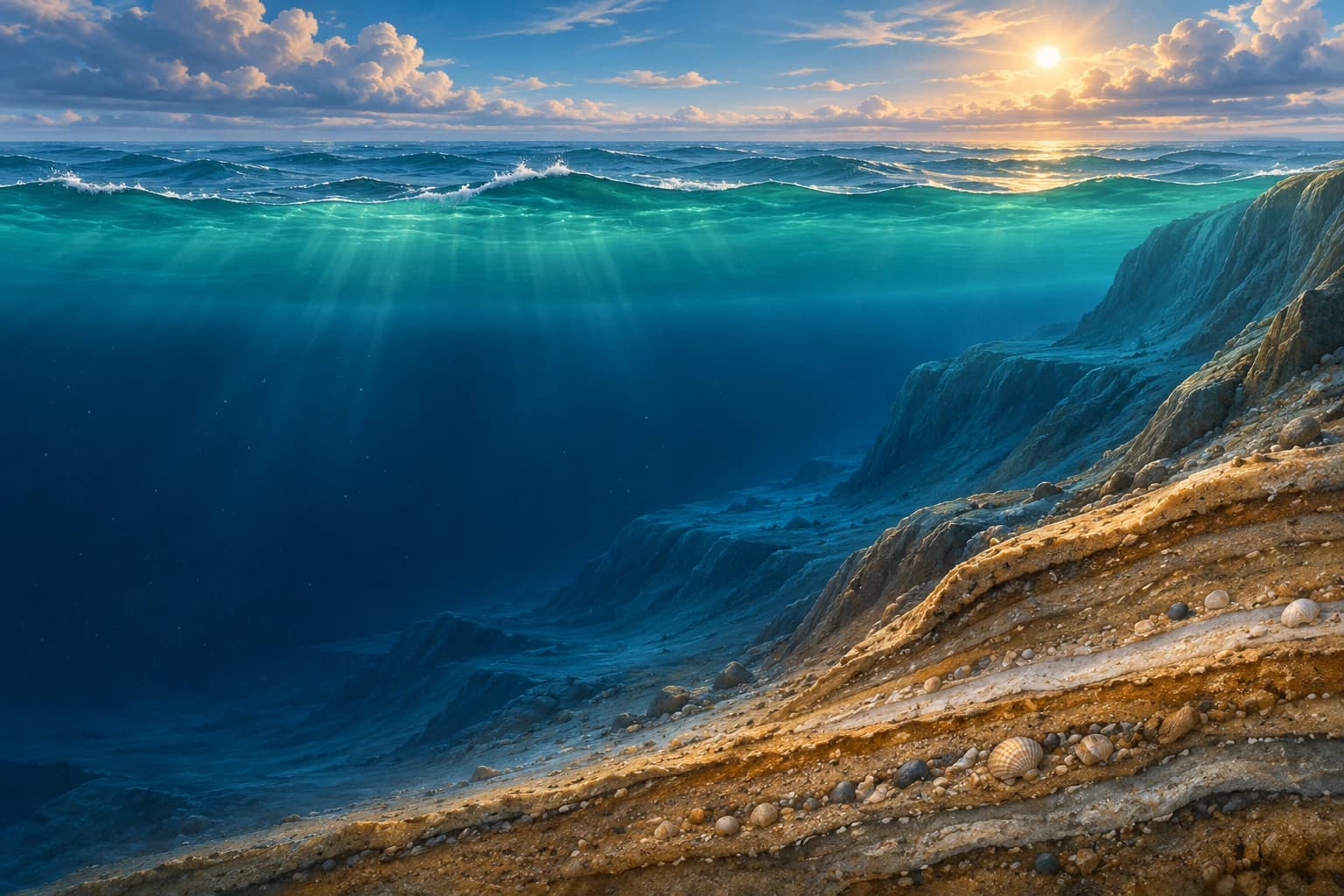
- 3
Carbon storage can weaken

- 4
More CO₂ remains in the air, adding warming
↻ + The effect reinforces the initial change.
What we know
Observations show increasing ocean stratification. The 2023 inventory classifies this physical mechanism as amplifying.
What remains uncertain
The response varies by region and overlaps with solubility. Biological changes are covered separately in loop 40.
Timescale
Seasons to decades near the surface; slower deep-ocean adjustment.
Sources and credits
Based on Ripple et al. (2023), One Earth. Study loop: 10.
- Li, G., Cheng, L., Zhu, J., Trenberth, K.E., Mann, M.E. and Abraham, J.P. (2020). Increasing ocean stratification over the past half-century. Nature Climate Change.
- Heinze, C. et al. (2019). ESD Reviews: Climate feedbacks in the Earth system and prospects for their evaluation. Earth System Dynamics 10, 379–452.
Educational adaptation and AI-assisted illustrations: EkoPulse.