
Soils and ecosystems · Biological process
Northern greening
What does it mean?
Expansion or increasing density of trees and shrubs in cold northern regions.
More vegetation absorbs CO₂, but can also darken snowy surfaces and increase solar energy absorption.
How the loop works
- 1
Northern regions warm
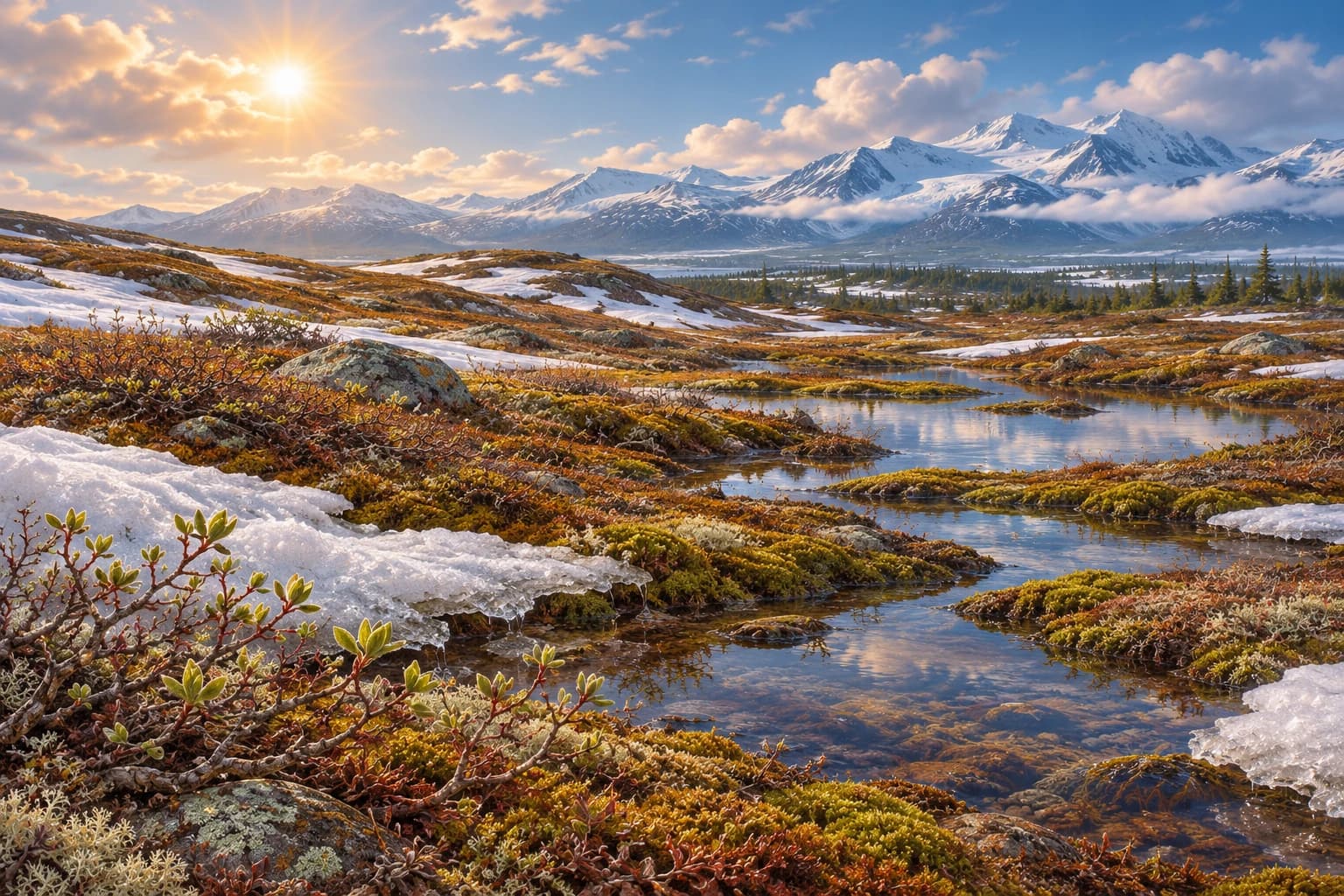
- 2
Trees and shrubs expand
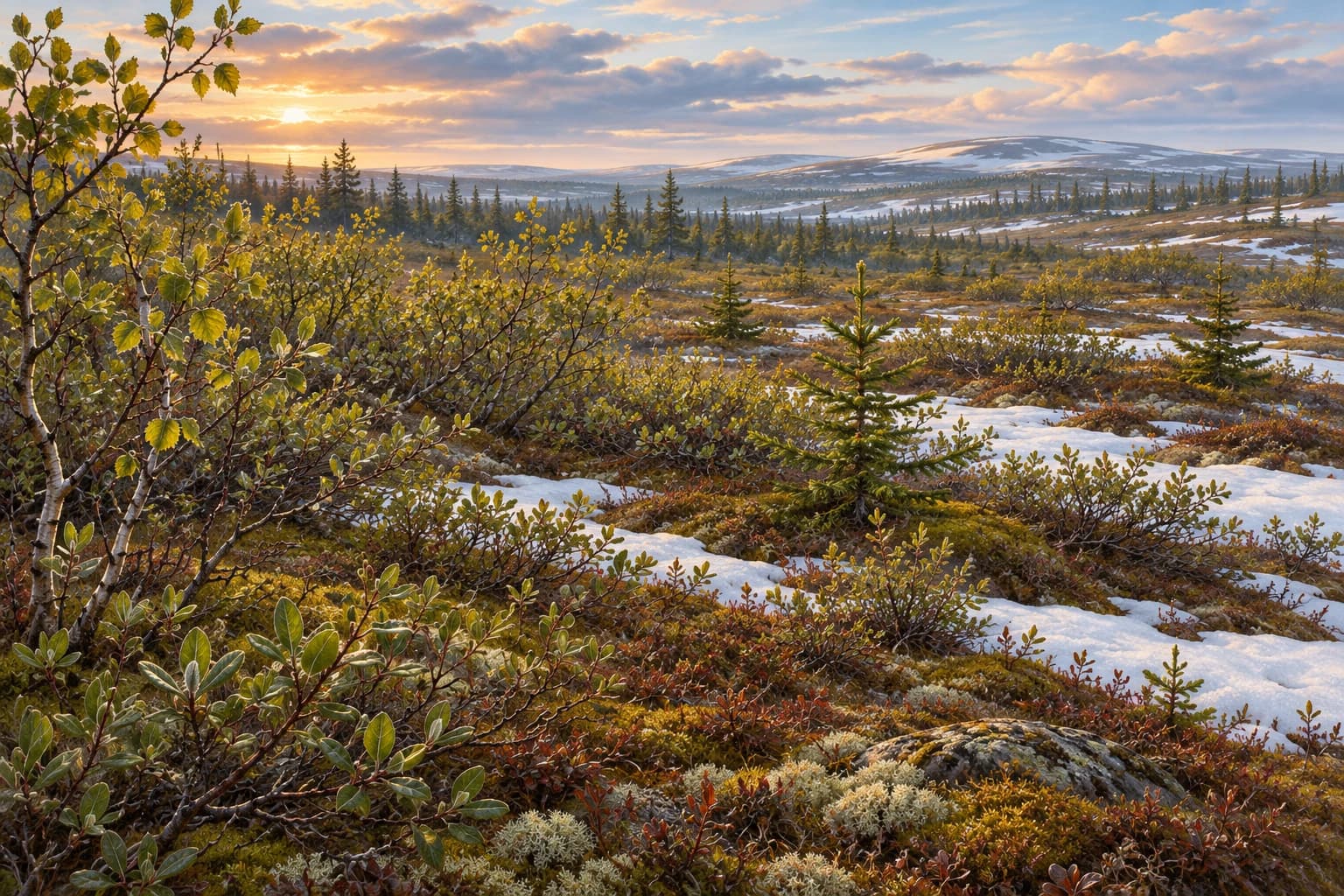
- 3
The surface reflects less sunlight
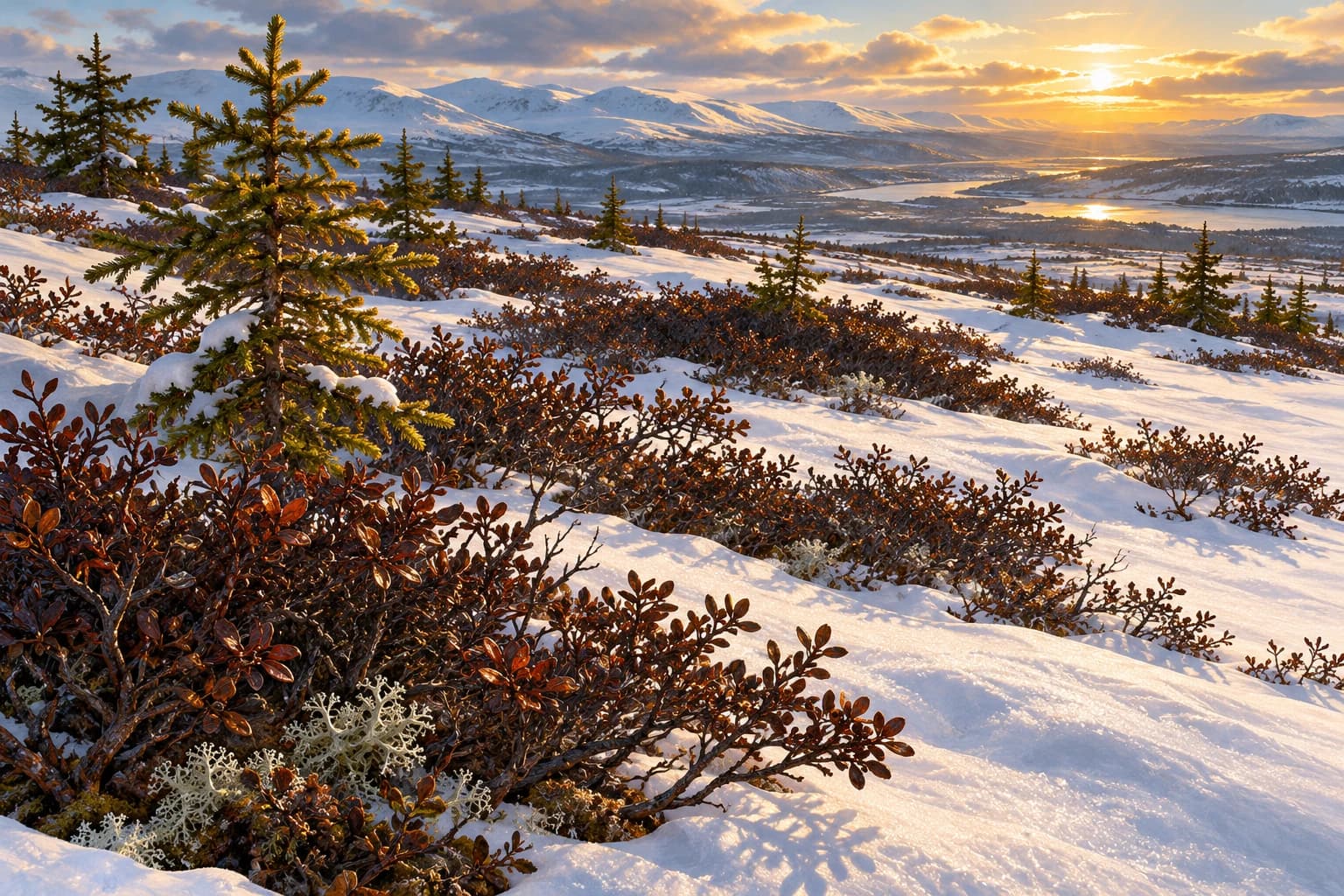
- 4
Warming is reinforced
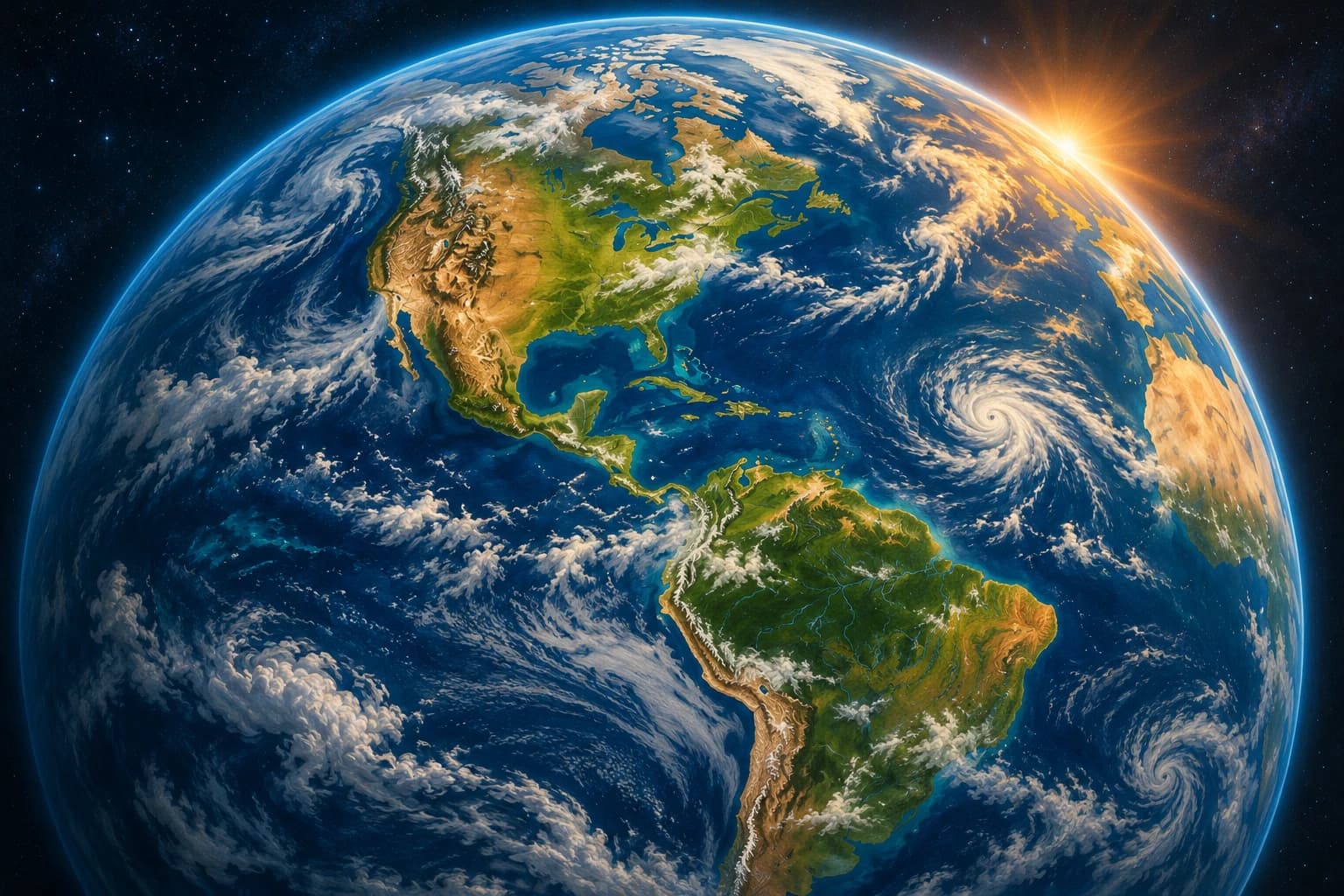
↻ + The effect reinforces the initial change.
What we know
Dark foliage can mask snow; the study considers this warming effect likely to dominate.
What remains uncertain
Carbon uptake and evaporation offset part of the effect; extreme heat can also damage vegetation.
Timescale
Seasonal snow changes; vegetation expansion over decades.
Sources and credits
Based on Ripple et al. (2023), One Earth. Study loop: 25.
- Loranty, M. M. et al. (2014). Vegetation controls on northern high latitude snow-albedo feedback: observations and CMIP5 model simulations. Global Change Biology 20, 594–606.
Educational adaptation and AI-assisted illustrations: EkoPulse.