
Ice and snow · Physical process
Glacier and ice-sheet albedo
What does it mean?
The loss of land snow and ice exposes surfaces that absorb more solar energy.
Melting can expose darker ice, rock or water. By reflecting less light, these surfaces gain more heat and favour further melting.
How the loop works
- 1
Earth warms
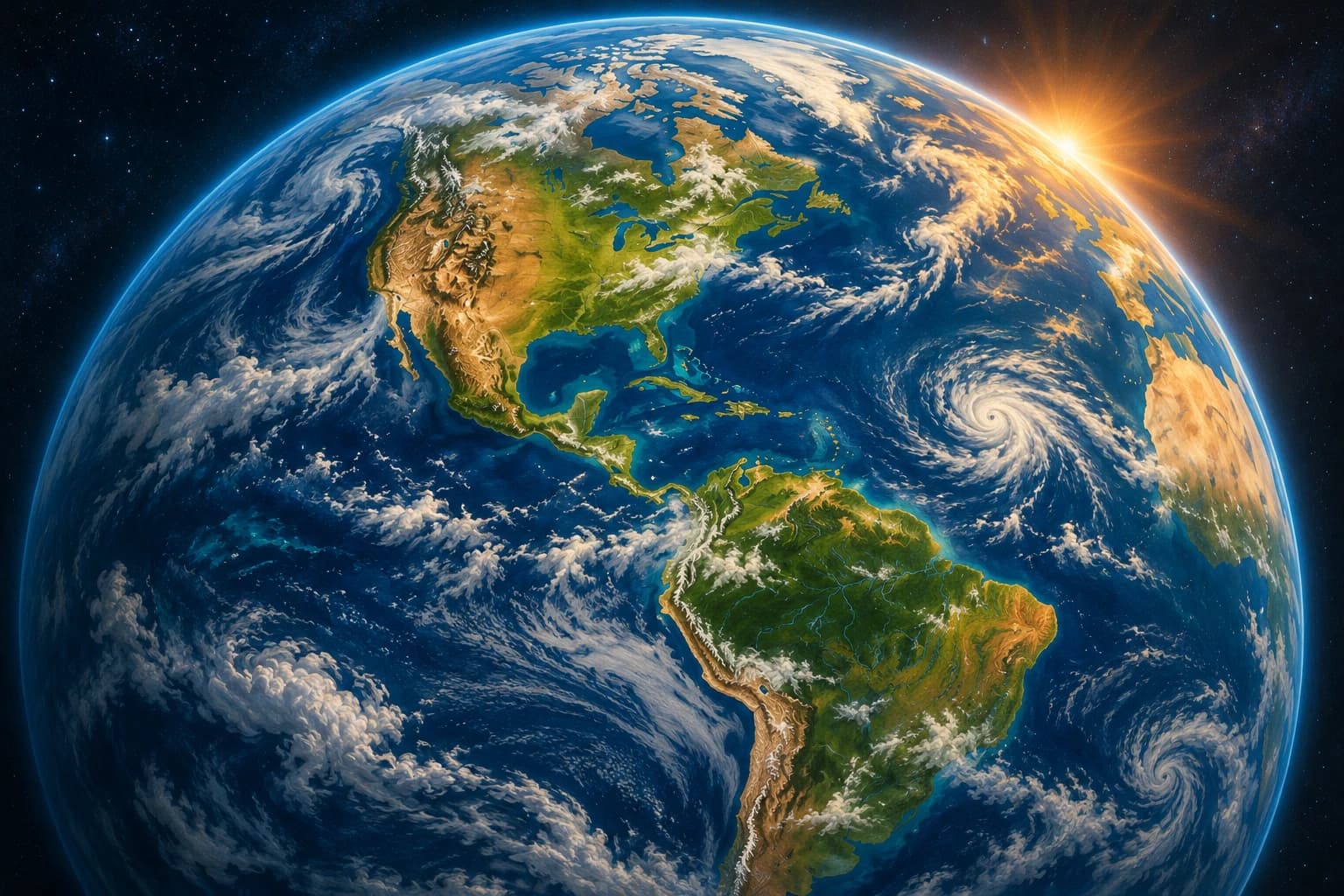
- 2
Land snow and ice retreat
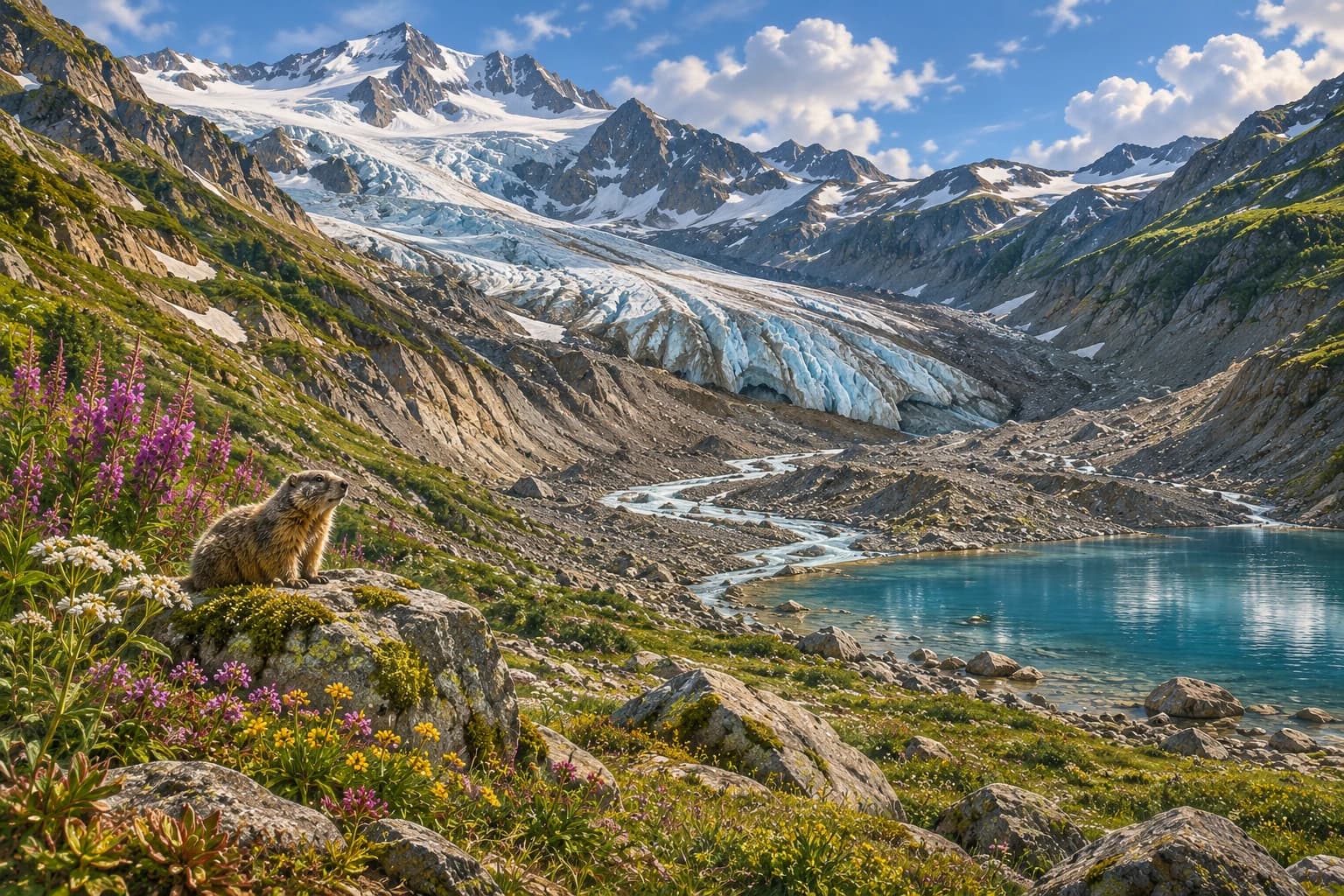
- 3
Exposed surfaces absorb more sunlight
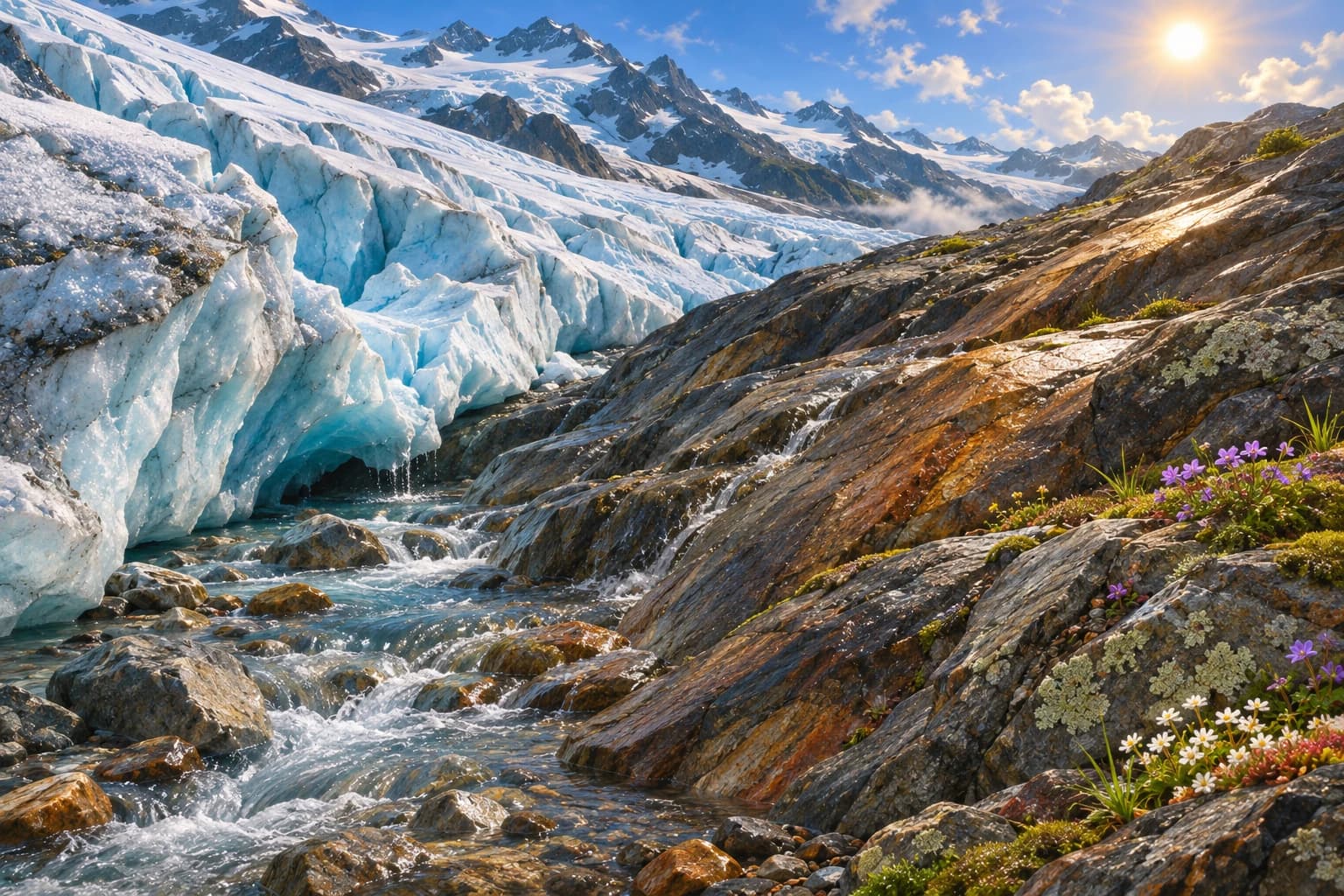
- 4
Warming increases
↻ + The effect reinforces the initial change.
What we know
Reflectivity affects how much ice melts during the warm season.
What remains uncertain
Each glacier or ice sheet also responds to snowfall, circulation and ice dynamics.
Timescale
Seasonal melting; extensive changes over decades, centuries or longer.
Sources and credits
Based on Ripple et al. (2023), One Earth. Study loop: 4.
- Naegeli, K. and Huss, M. (2017). Sensitivity of mountain glacier mass balance to changes in bare-ice albedo. Annals of Glaciology 58, 119–129.
- Pattyn, F. et al. (2018). The Greenland and Antarctic ice sheets under 1.5°C global warming. Nature Climate Change 8, 1053–1061.
Educational adaptation and AI-assisted illustrations: EkoPulse.