
Soils and ecosystems · Biological process
Freshwater ecosystems
What does it mean?
Lakes, ponds and other freshwater environments where organisms produce and consume greenhouse gases.
Warmer water can favour methane production more than its consumption by other microbes.
How the loop works
- 1
Fresh water warms
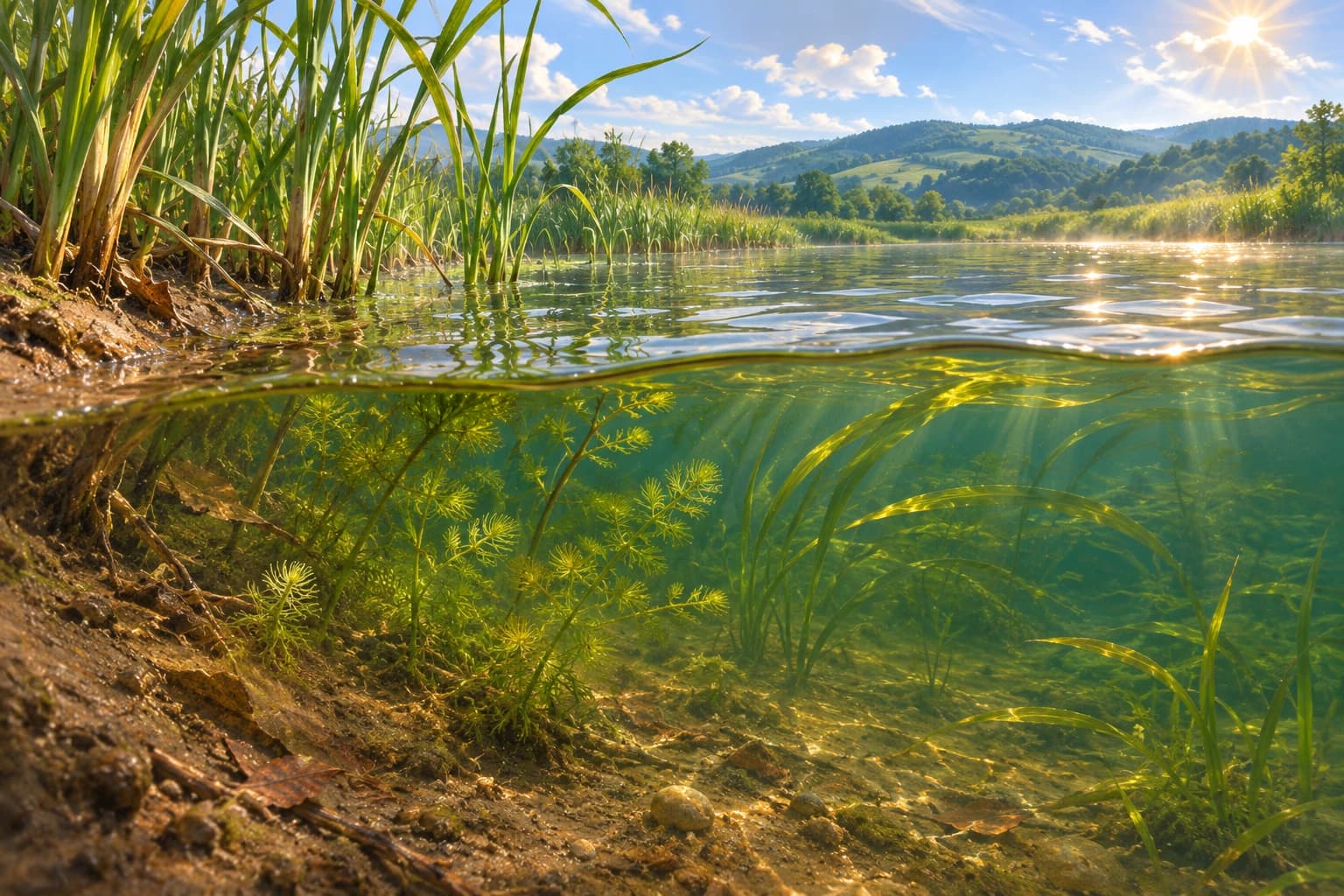
- 2
Microbial methane production rises
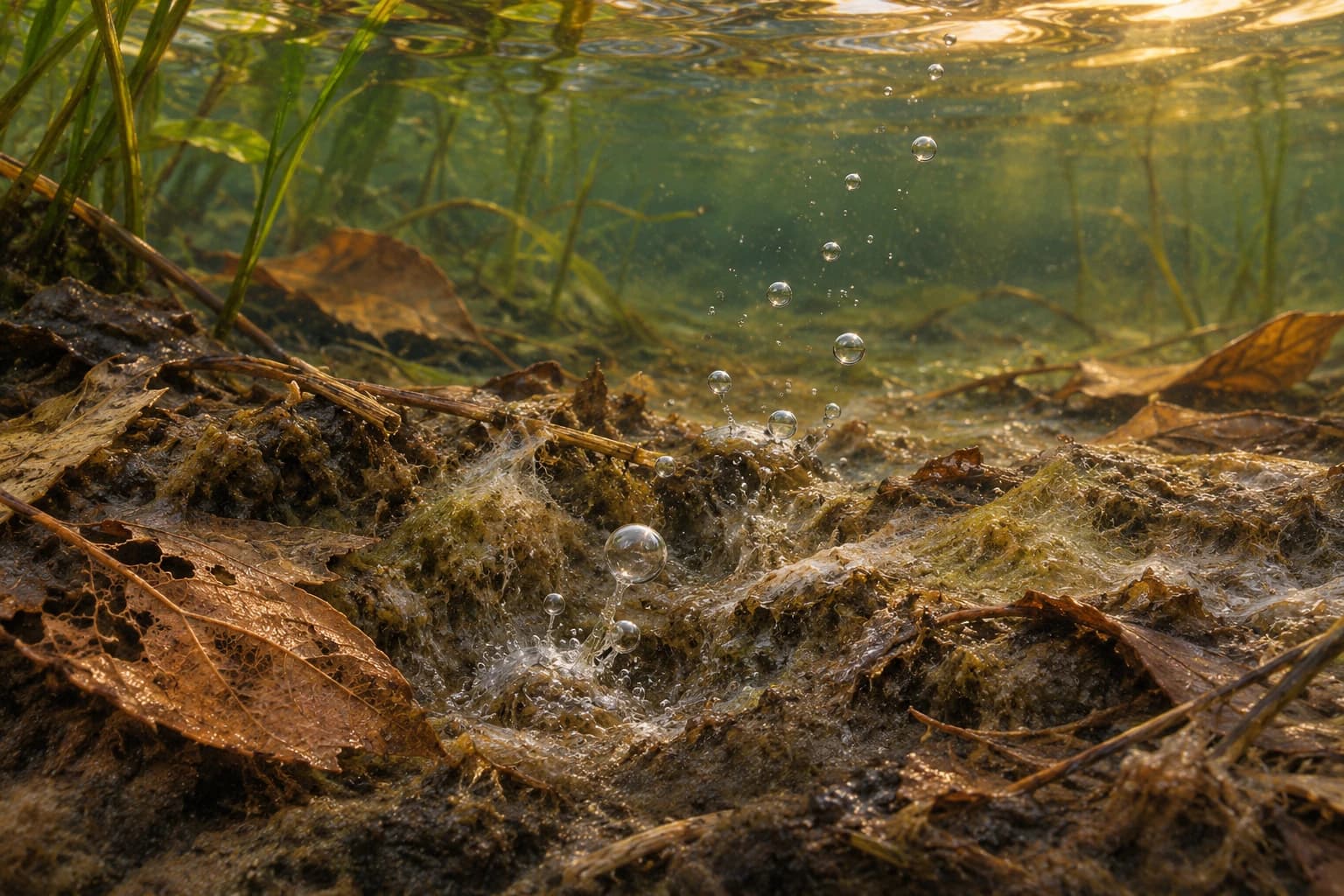
- 3
More methane escapes into the air
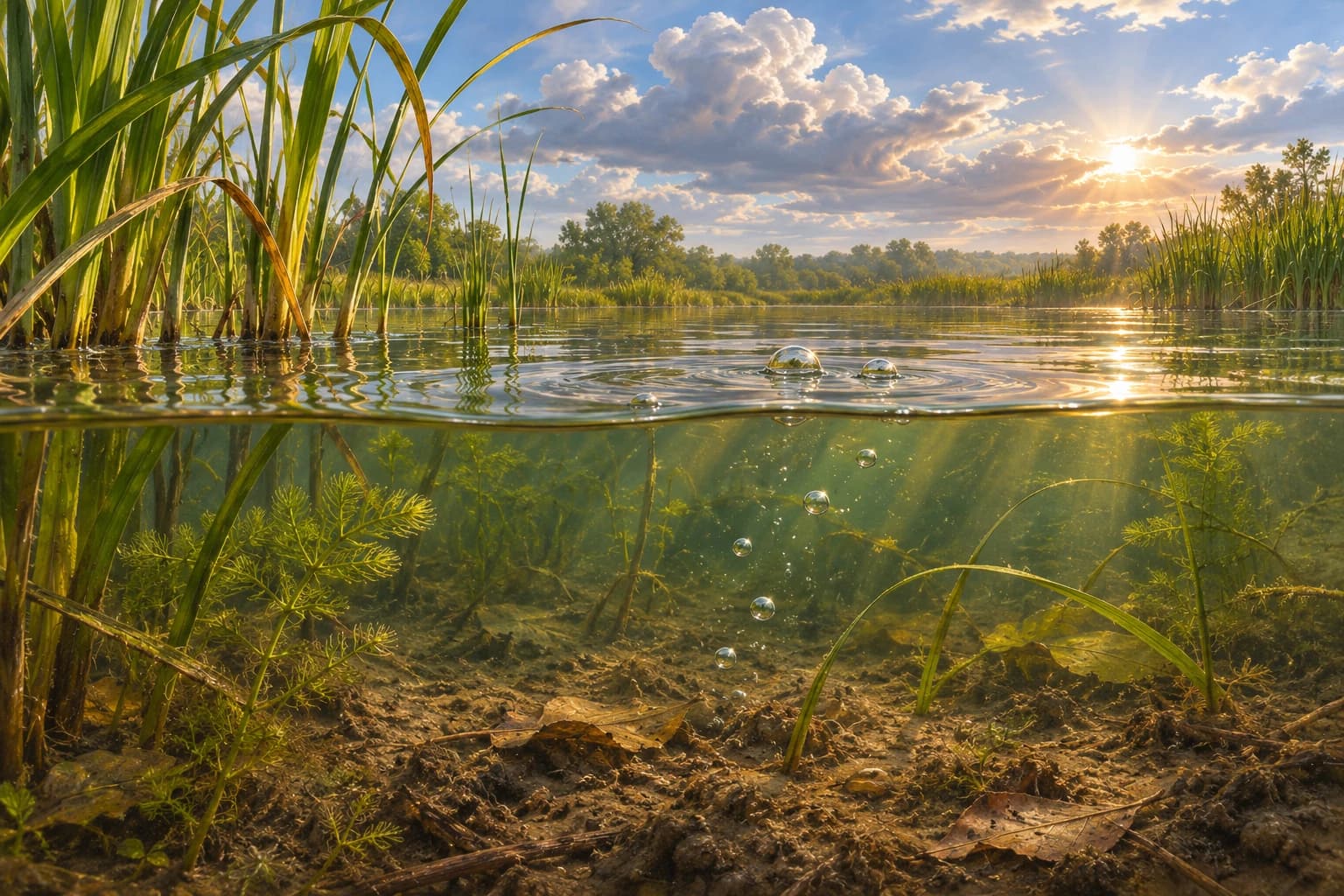
- 4
Warming is reinforced
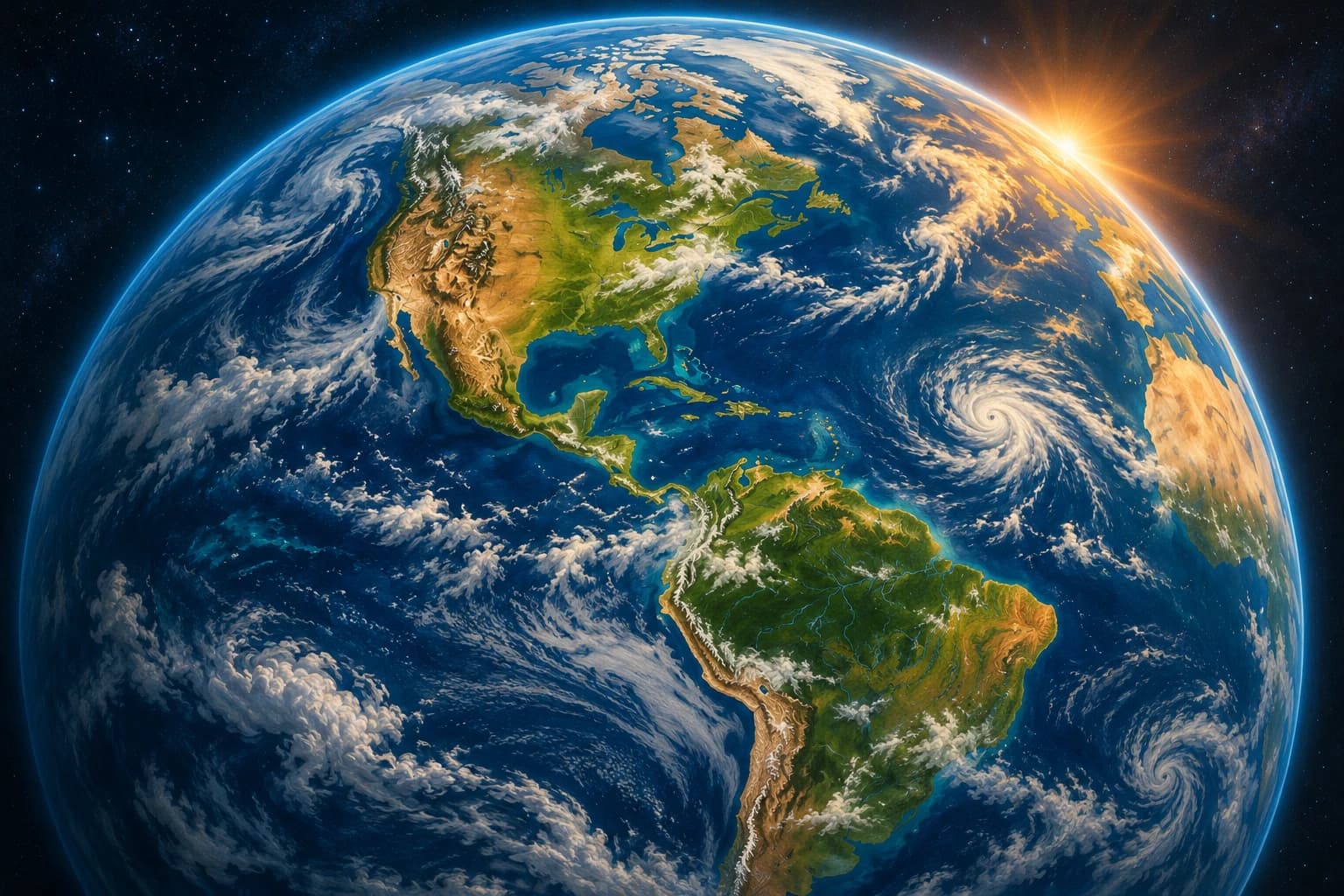
↻ + The effect reinforces the initial change.
What we know
Long-running pond experiments show increased emissions under warming.
What remains uncertain
Responses vary with oxygen, nutrients, vegetation and microbial communities.
Timescale
Seasonal responses and community changes over years.
Sources and credits
Based on Ripple et al. (2023), One Earth. Study loop: 23.
- Zhu, Y. et al. (2020). Disproportionate increase in freshwater methane emissions induced by experimental warming. Nature Climate Change 10, 685–690.
Educational adaptation and AI-assisted illustrations: EkoPulse.