
Antarctic rainfall
What does it mean?
Antarctic ice retreat can change precipitation and ocean heat, favouring further ice loss.
The cited study explores an ancient Miocene climate. Its simulations link ice-free areas, hydrological changes and deep-ocean warming.
How the loop works
- 1
Antarctic ice retreats
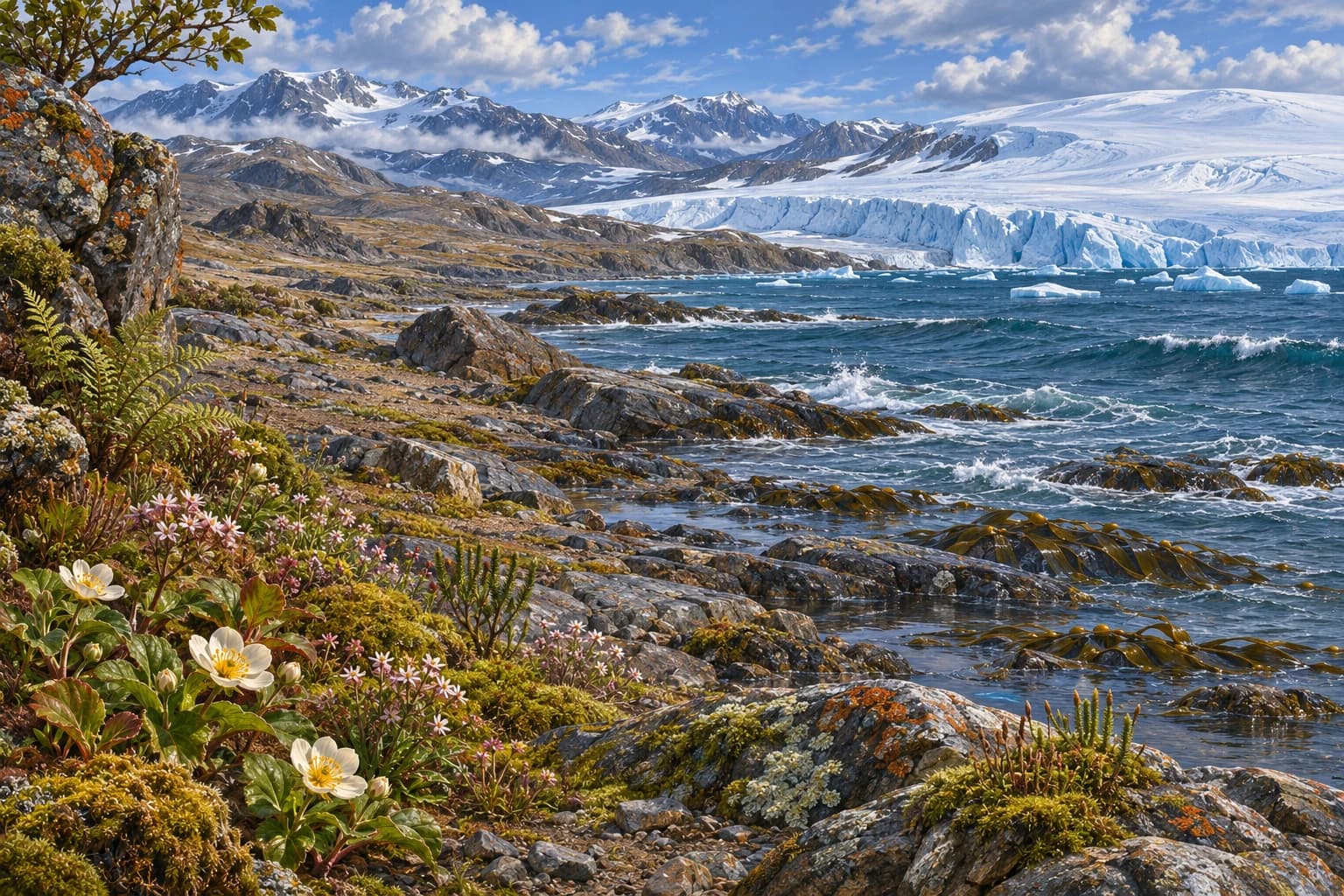
- 2
Precipitation and the water cycle change
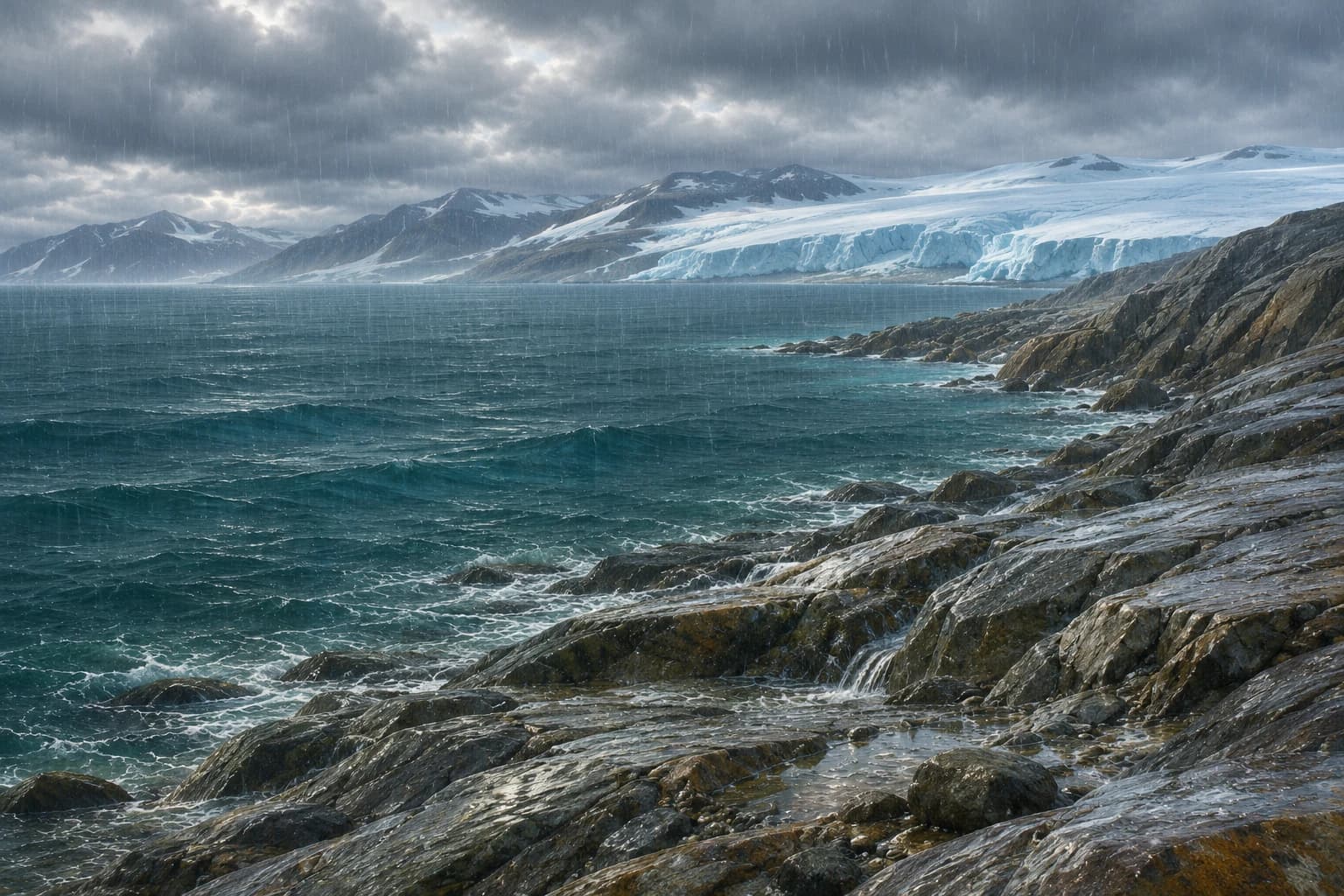
- 3
Ocean warming can favour melting
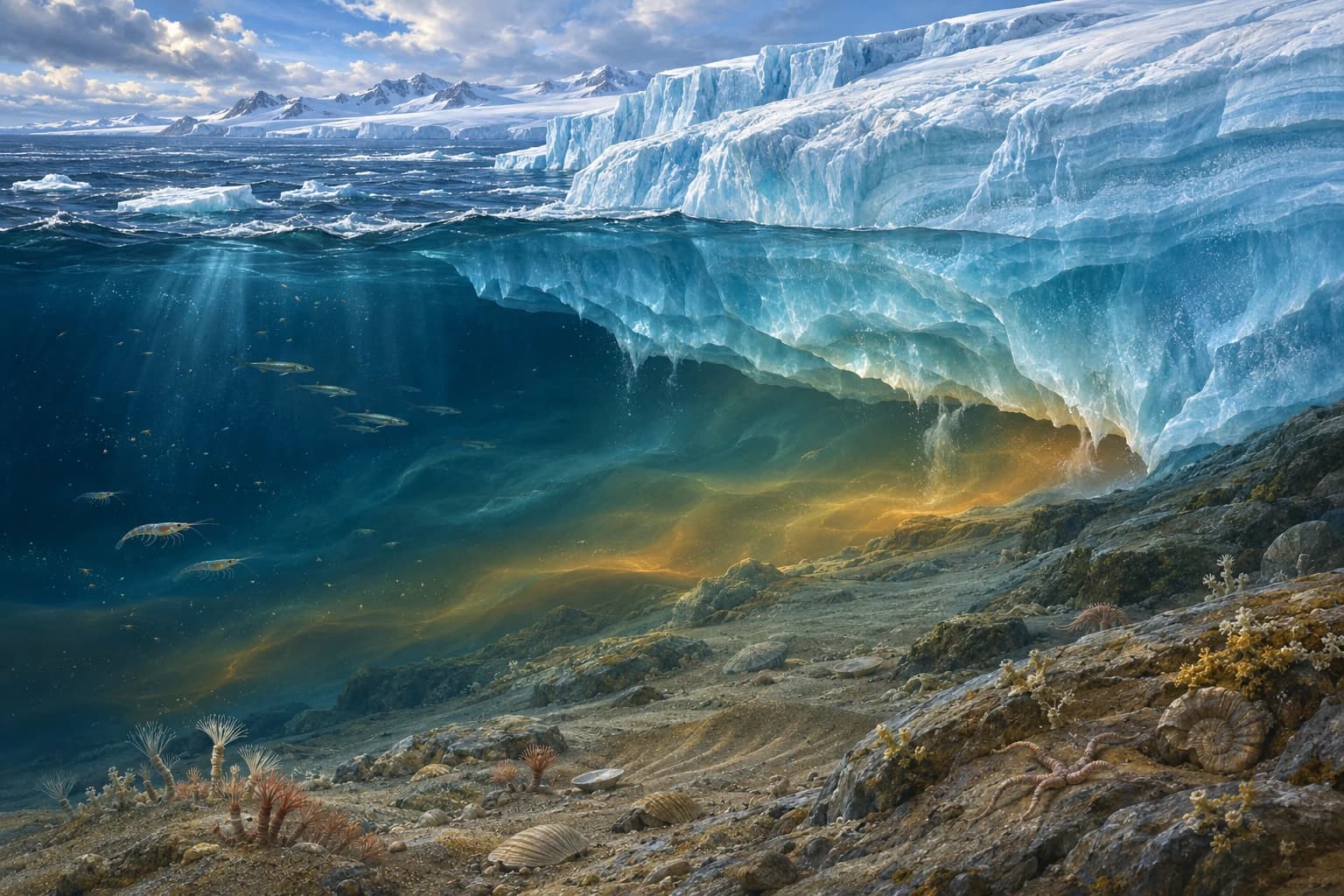
- 4
Ice retreat may intensify
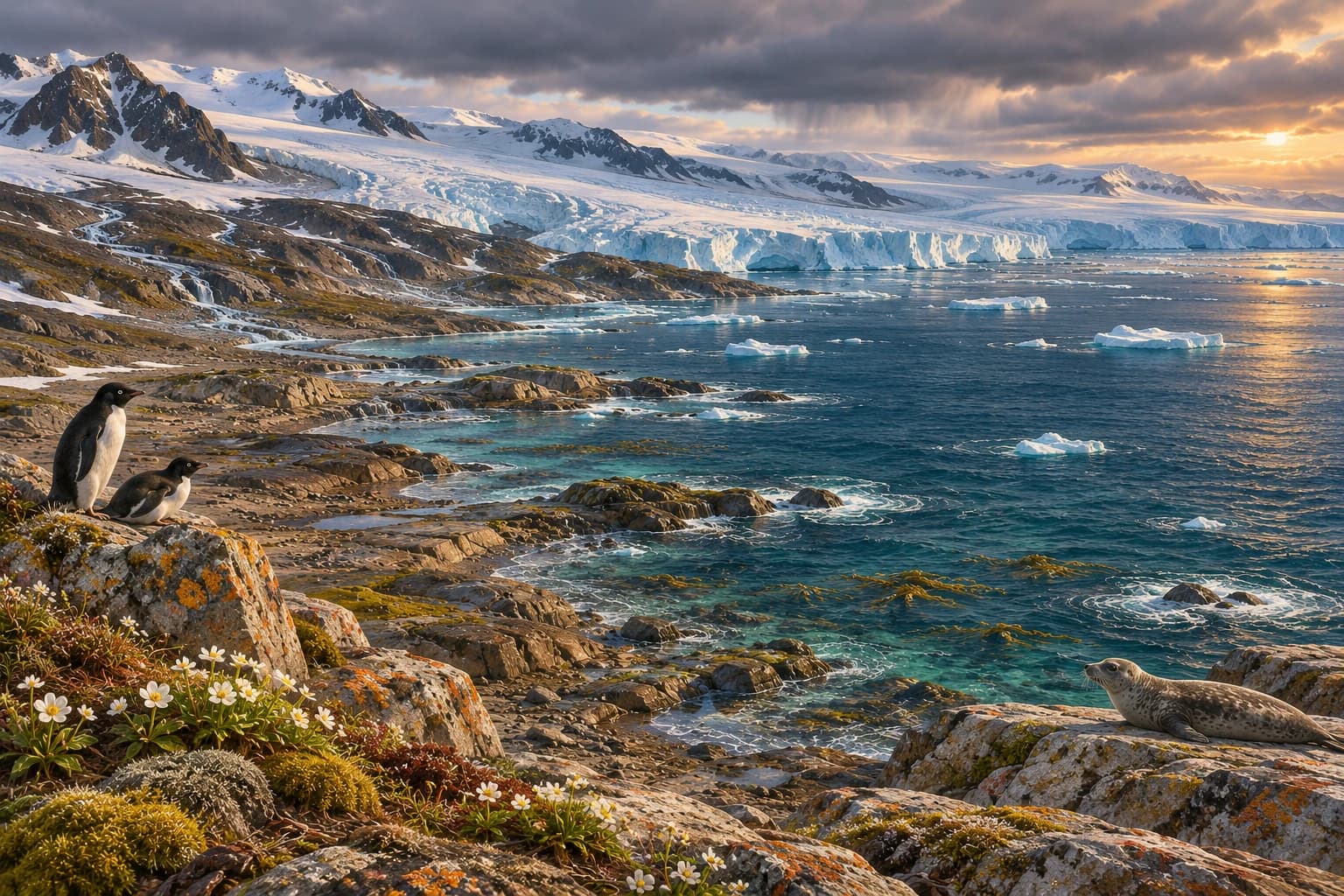
↻ + The effect reinforces the initial change.
What we know
The cited modelling identifies a connection between ice extent, hydrology and ocean temperature.
What remains uncertain
That study did not establish today’s strength or simulate the full loop. More precipitation does not always mean more melting.
Timescale
A long-term process; the reference examines ancient climate conditions.
Sources and credits
Based on Ripple et al. (2023), One Earth. Study loop: 16.
- Bradshaw, C.D., Langebroek, P.M., Lear, C.H., Lunt, D.J., Coxall, H.K., Sosdian, S.M. and de Boer, A.M. (2021). Hydrological impact of Middle Miocene Antarctic ice-free areas coupled to deep ocean temperatures. Nature Geoscience.
Educational adaptation and AI-assisted illustrations: EkoPulse.